Missing teeth can affect how you eat, speak, and maintain daily oral hygiene. For patients with autoimmune diseases, replacing missing teeth may feel even more complicated. Many people worry that their condition might prevent them from receiving modern tooth replacement treatments.
If you have been researching dental implants, you may be wondering whether implants are possible with autoimmune conditions such as lupus, rheumatoid arthritis, or Sjogren’s syndrome. In this blog, we break down the facts, explain how the immune system affects implant healing, and discuss what factors dentists consider before recommending treatment.
Understanding Autoimmune Disorders and Oral Health
Autoimmune disorders occur when the immune system mistakenly attacks healthy cells in the body. Conditions such as rheumatoid arthritis, lupus, multiple sclerosis, and Sjogren’s syndrome can influence how the body heals and fights infection.
For patients considering tooth replacement, this raises an important question: can the body support the healing process required for implant treatment?
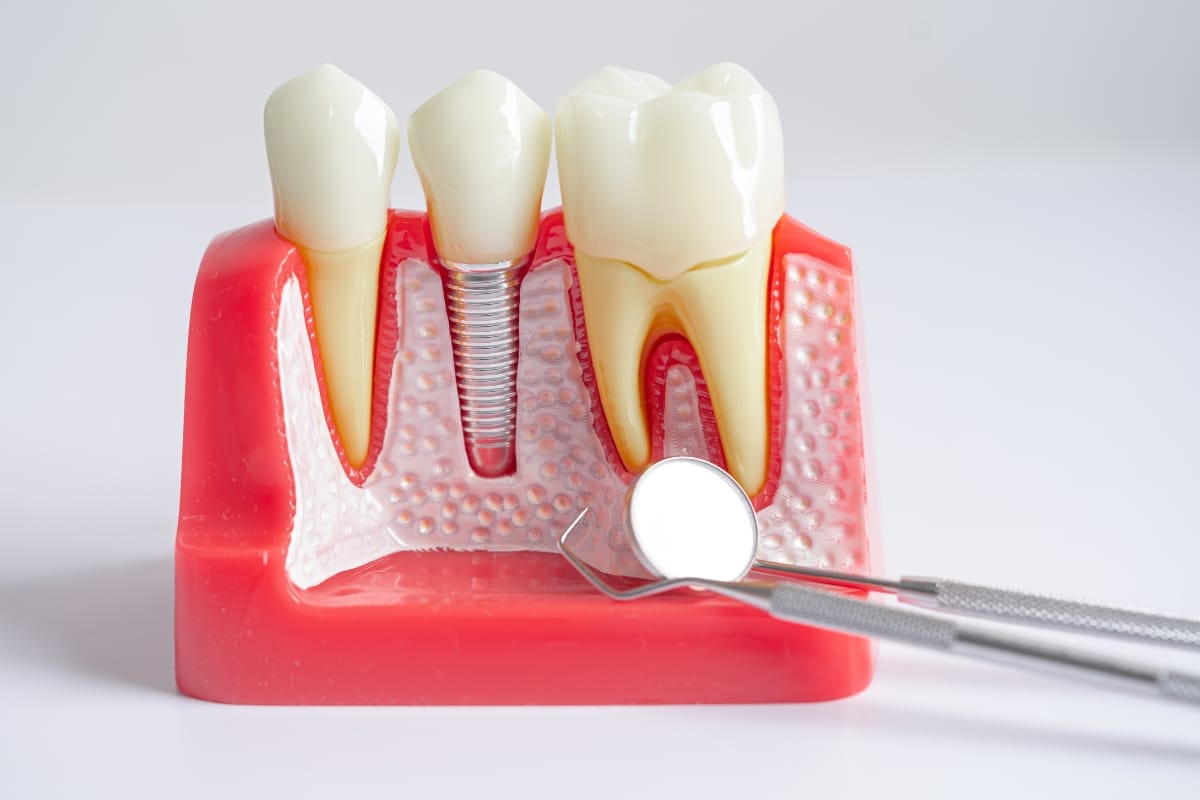
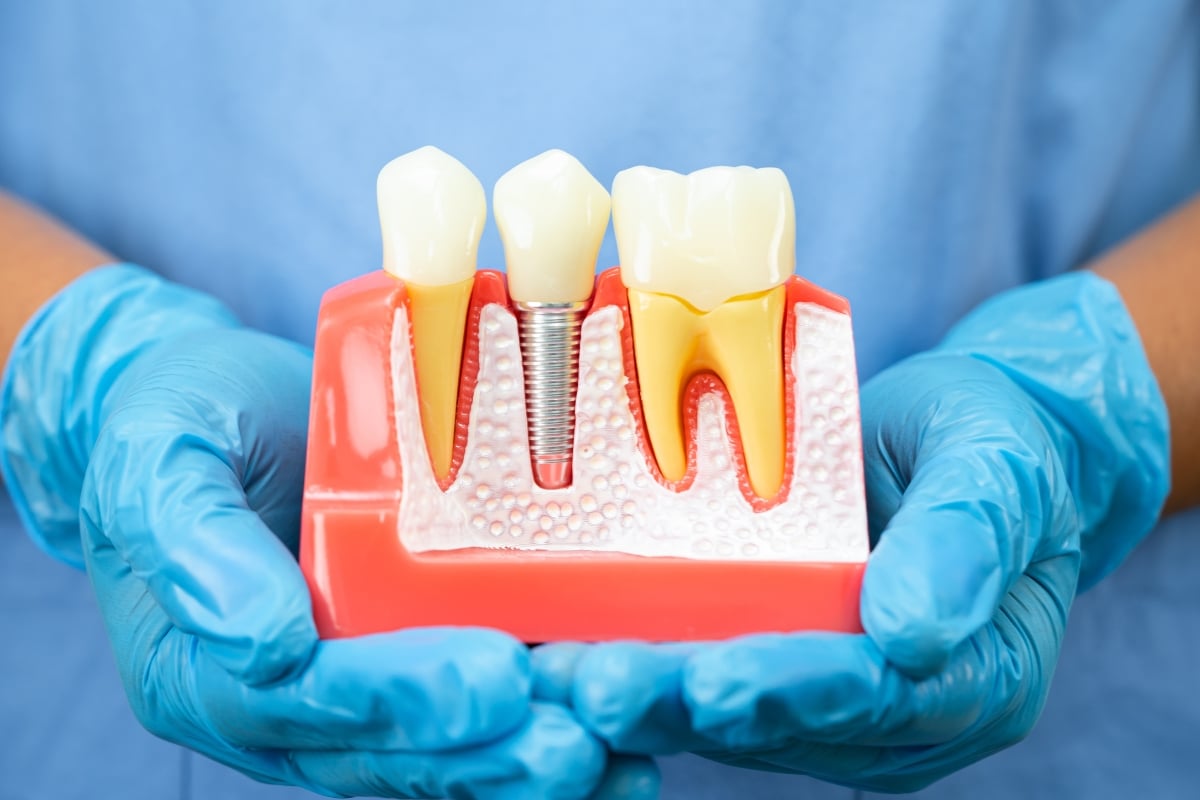
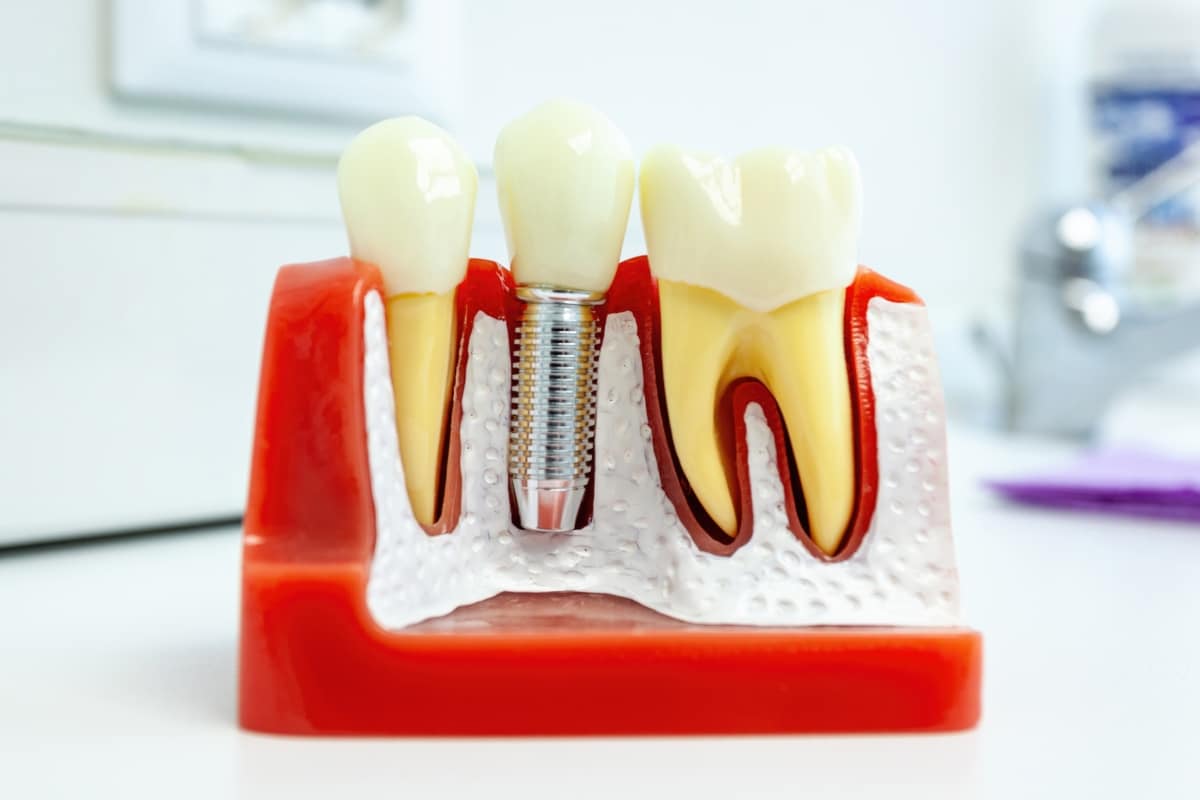
Dental implants rely on a process called osseointegration, where the implant post fuses with the jawbone. When this healing phase occurs normally, the implant becomes a stable replacement for a missing tooth.
Patients researching dental implants in Fort Worth often want to know whether autoimmune conditions prevent this process. In many cases, the answer depends on the individual’s health status, medication use, and the severity of their condition.
A careful evaluation is essential before moving forward.
How Autoimmune Conditions May Affect Implant Success
Autoimmune disorders can influence several aspects of dental treatment. The impact varies widely from one person to another.
Some factors dentists consider include:
- Immune system response
Certain conditions may slow healing or affect the body’s response to surgical procedures.
- Medication effects
Drugs such as corticosteroids or immunosuppressants can influence bone healing or resistance to infection.
- Bone density changes
Some autoimmune diseases and medications may affect bone quality, which plays a role in implant stability.
- Oral dryness
Conditions like Sjogren’s syndrome may reduce saliva flow, increasing the risk of oral infections.
According to studies, dental implants in Fort Worth can still be successful in patients with systemic conditions when the disease is well-managed and proper planning is used.
Situations Where Dental Implants May Still Be Possible
Having an autoimmune disorder does not automatically rule out implants. Many patients receive them successfully when certain conditions are met.
Dentists typically look for:
- Stable or well-controlled autoimmune disease
- Healthy bone structure in the jaw
- No active oral infections
- Medical clearance when necessary
- Good daily oral hygiene habits
A comprehensive dental exam helps determine whether implants are appropriate. Imaging tools such as digital X-rays or 3D scans help assess bone structure and identify potential concerns before treatment begins.
What Dentists Evaluate Before Recommending Implants
When patients with autoimmune conditions inquire about implant treatment, dentists usually conduct a thorough review of both dental and medical history.
Key steps include:
Reviewing Medical Conditions
Dentists consider:
- Type of autoimmune disease
- Current symptoms and flare-up frequency
- Overall health stability
Evaluating Medications
Certain medications can affect healing or bone metabolism. Dentists may coordinate with the patient’s physician to ensure treatment is appropriate.
Checking Bone Health
Adequate jawbone density is important for implant support. Imaging scans help determine whether the bone structure can support an implant.
Assessing Gum Health
Healthy gums reduce the risk of infection around implants.
These steps help dentists understand whether implants can be safely placed or if alternative treatments should be considered.
Alternative Tooth Replacement Options
If dental implants are not recommended, several other restorative treatments may still help restore function.
Common alternatives include:
- Dental bridges
These use nearby teeth to support a replacement tooth.
- Removable dentures
Modern dentures are designed to improve comfort and chewing ability.
- Implant-supported dentures
In some cases, fewer implants can support a full denture.
The best option depends on individual oral health, bone condition, and overall medical status.
Tips for Patients with Autoimmune Conditions Considering Implants
Patients with autoimmune disorders can take several steps to improve treatment outcomes.
Helpful recommendations include:
- Keep autoimmune conditions well-managed with regular medical care
- Maintain consistent brushing and flossing habits
- Attend routine dental checkups
- Inform your dentist about medications or health changes
- Follow post-treatment instructions carefully
Maintaining good oral hygiene to prevent gum disease and infections could affect restorative dental treatments.
A Thoughtful Approach to Tooth Replacement
Missing teeth affect daily activities such as eating and speaking. While autoimmune disorders introduce additional considerations, they do not automatically prevent implant treatment.
With proper evaluation, collaboration between healthcare providers, and individualized planning, many patients can safely explore modern tooth replacement solutions.
Understanding your options and discussing them openly with a dental professional is the best way to determine what treatment is appropriate for your situation.
Taking the Next Step Toward Restoring Function
Living with an autoimmune condition requires careful health decisions, and dental treatments are no exception. If you are exploring ways to replace missing teeth and want to understand your options, professional guidance can help clarify what is possible.
At Centreport Smiles, patients receive comprehensive evaluations to determine whether dental implants in Fort Worth or another restorative approach may be appropriate. If you have questions about tooth replacement or want to learn more about your options, scheduling a consultation with our dental team can help you make an informed decision about your oral health.
Common Questions People Ask
- Can people with autoimmune diseases get dental implants?
Yes, many patients with controlled autoimmune conditions can receive implants. Dentists evaluate medical history, medications, and bone health before recommending treatment. Each case is different, so a professional evaluation is necessary to determine suitability.
- Do autoimmune medications affect implant healing?
Some medications, especially immunosuppressants or steroids, may influence healing. Dentists review medications carefully and may coordinate with the patient’s physician to ensure treatment is planned safely.
- Are dental implants safe for patients with rheumatoid arthritis?
Patients with rheumatoid arthritis may still receive implants if their condition is stable and bone health is adequate. Dentists consider inflammation levels, medication use, and overall health before recommending treatment.
- Does lupus prevent someone from getting implants?
Not necessarily. Many individuals with lupus can receive implants when the disease is well-controlled. Careful monitoring and treatment planning help reduce the risk of complications.