Considering replacing missing teeth can feel overwhelming. There are many factors to think about when filling gaps in your smile. You may wonder how it will feel, how it will look, and how the procedure actually works. We want to remove all your anxieties at Centreport Smiles. Our goal is to make tooth replacement an uncomplicated affair; replacing one or multiple missing teeth with dental implants is a straightforward three-step procedure, which is an option whether you are missing a single tooth or have lost a great number. Here is how the steps play out.
Missing teeth aren’t just an aesthetic issue but have an impact on your oral health, eating, and even self-confidence. It can be an alarming feeling to lose even one tooth, and an even more dramatic event when multiple teeth are lost. Thankfully, tooth loss doesn’t have to be the end an the road, and dental implants offer a permanent, aesthetic, and comfortable alternative. Here is how to replace missing teeth with a simple three-step process.
How Dental Implants Are Placed in 3 Simple Steps
Let’s take a closer look at each of the three steps involved in the dental implant placement and restoration process.
1. Consultation with the Implant Dentist
When you meet with your implant dentist at Centreport Smiles, he will examine your oral health, evaluate your jawbone density with X-rays or 3D scans, and then formulate a treatment plan specific to your needs. Some patients may need a bone graft before dental implants in Fort Worth can be placed, but only if there is insufficient bone density in the jaw to adequately support the implants. Your implant dentist will outline this treatment plan for you.
2. Placing the Dental Implant
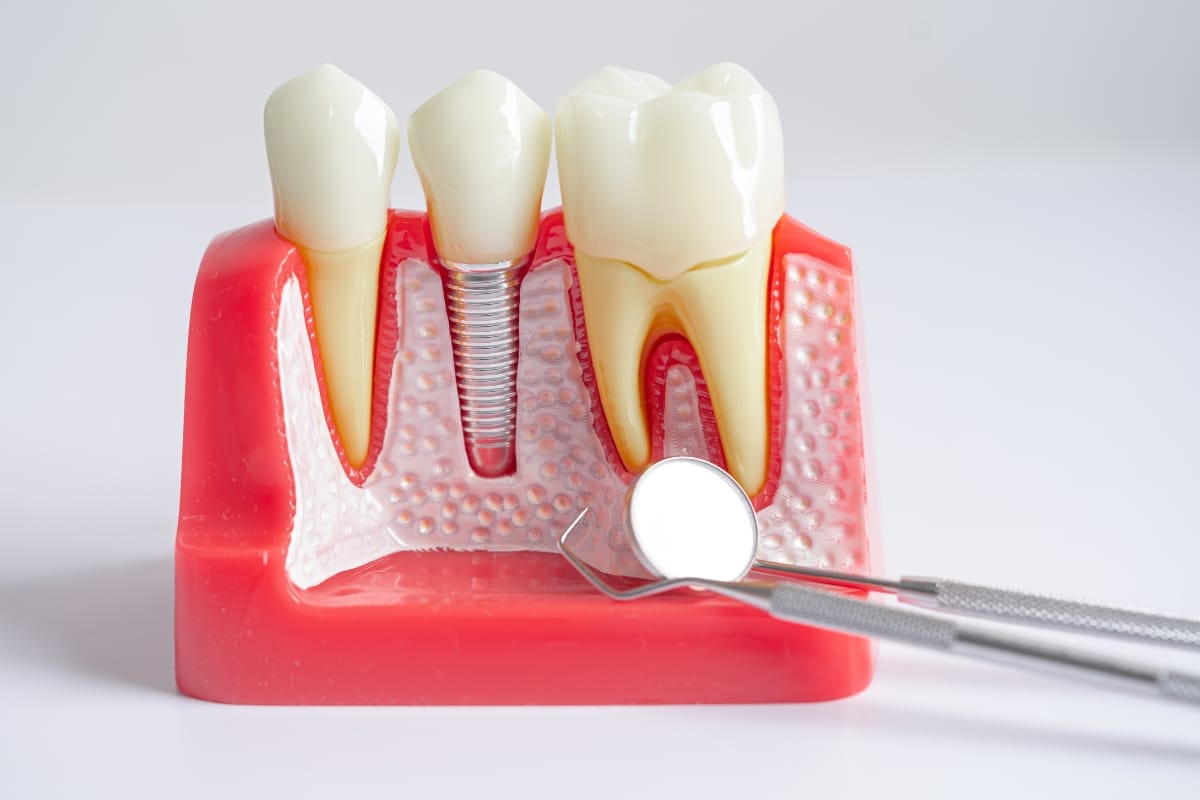
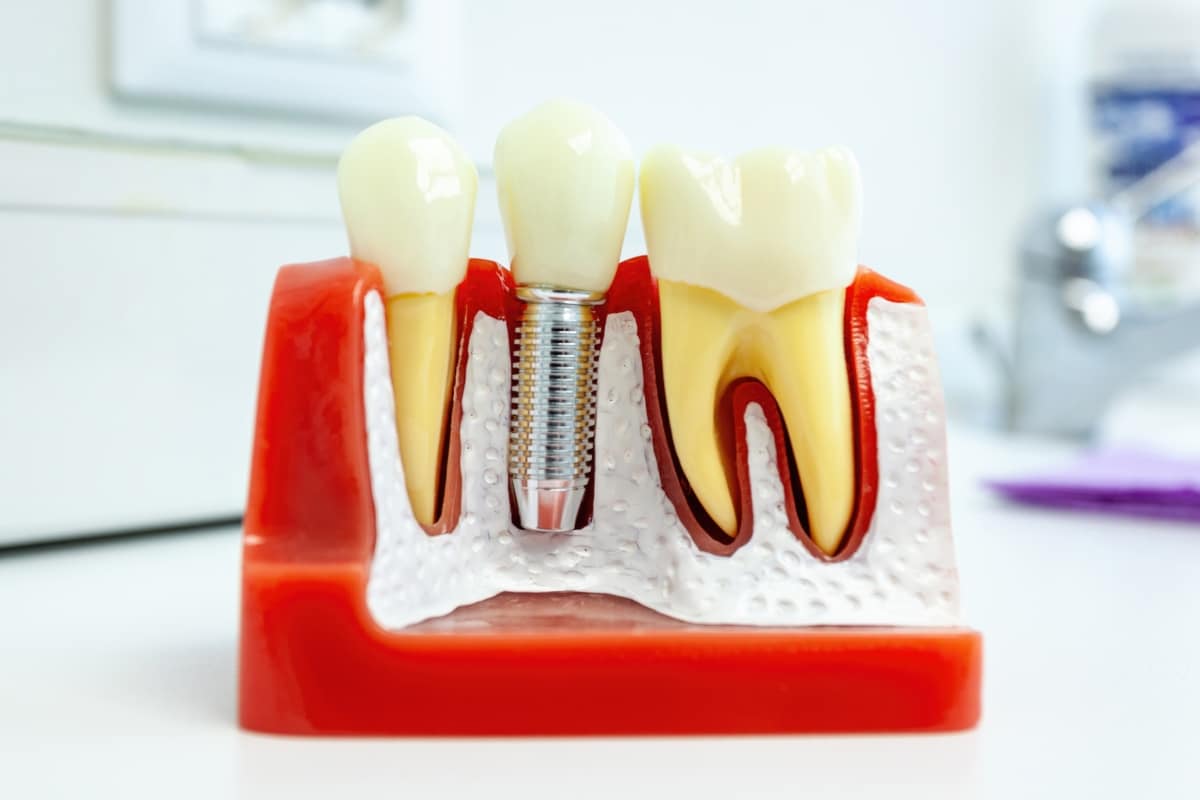
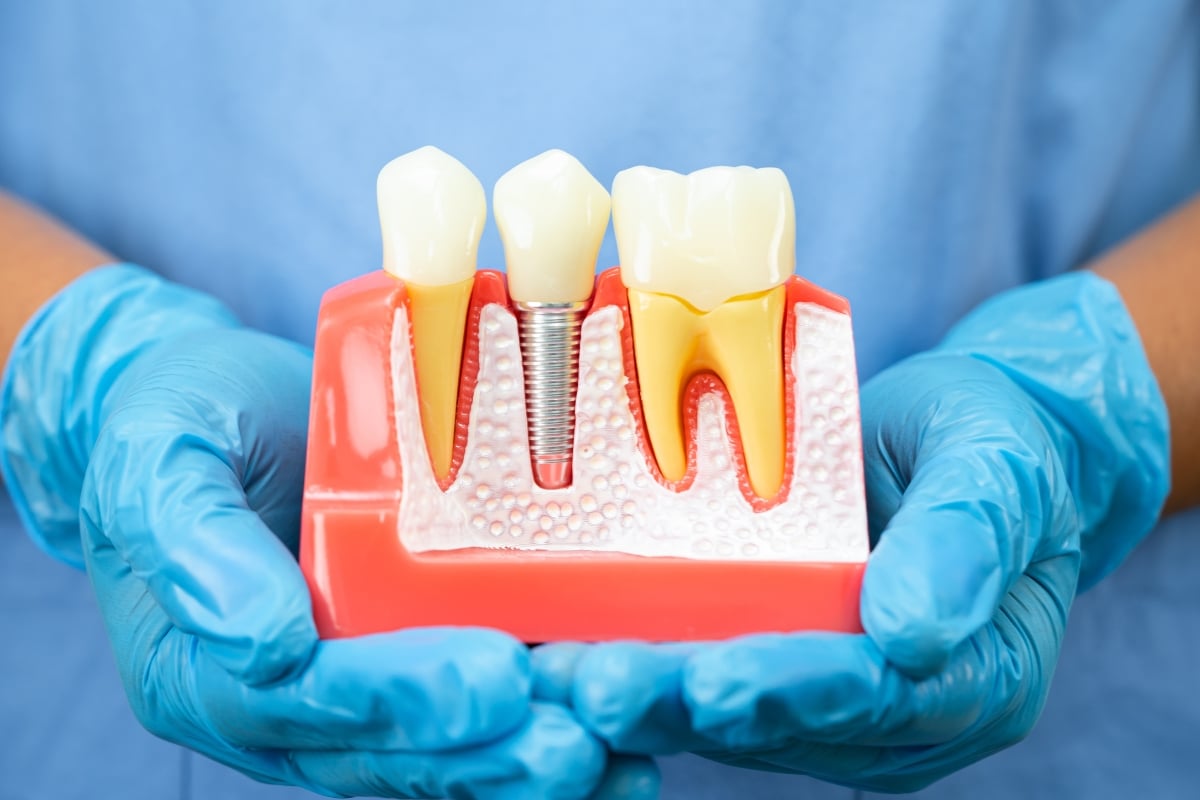
The implant is surgically placed into the jawbone, replacing the missing tooth root. After the procedure, the numbing will gradually wear off. You may feel mild pain, soreness, or discomfort. These symptoms are normal and temporary. They can be managed with over-the-counter or prescribed pain medication. Within the following months, the implant post will fuse with the jawbone through a natural process called osseointegration, making it completely stable and secure.
3. Fitting the Final Restoration
When the implant has integrated with your jawbone and feels firmly in place, the dental implant restoration will be placed on top. Depending on your circumstances, the final restoration can be a crown, a bridge, or a full or partial denture. Once this is fixed, you will feel like you have your brand-new teeth back, working and looking like they did before!
It is such a simple and reliable process to restore people’s teeth.
The Importance of Follow-Up Care
Following your dental implant dentist’s aftercare instructions is crucial to ensure you heal properly and your implants last. This involves maintaining your oral hygiene, being mindful of which foods you should avoid in the early stages, and coming in for your check-ups. Check-ups help your dentist monitor that your implants are working and healing as they should.
Your dental implants are capable of lasting a lifetime if you take good care of them, and therefore, it is vital to continue this strong relationship with your implant dentist at Centreport Smiles, who will guide you through the entire aftercare process.
What to Expect During the Healing Process
After dental implant surgery, the healing phase is extremely important. This process can be slow and may be frustrating at times. However, understanding what to expect during your healing phase may make it a bit easier. What to expect following your dental implant surgery includes:
- Initial Recovery: The first few days following your surgery may involve swelling and a general sense of unease around the surgical site. You can expect a few days of moderate swelling and discomfort, which may peak at around 48 hours after your surgery. Pain should be minimal and easily managed with prescribed medication or over-the-counter pain relief.
- Bruising and Swelling: It is normal for swelling to occur in your gums and face. There may be a few days of minor bruising. Use an ice pack on the affected area for the first 24 hours to minimize swelling.
- Your Diet: During the first few days after your implant surgery, you should consume only soft foods and avoid biting or chewing around the implant. You should eat as little as possible with the implants during this time, and also avoid drinking with a straw.
- Osseointegration and Integration: The most important phase of your dental implant healing process is osseointegration, in which the implant integrates with your jawbone. This process can take 3 to 6 months to complete, during which it is vital to avoid anything that could jeopardize this integration.
- Follow-Up Appointments: After your surgery, you will need to visit the Centreport Smiles office to maintain proper healing of your dental implant. These follow-up appointments are important to ensure your implant is integrating properly and to check the health of your gums.
- Returning to Your Daily Routine: You should be able to return to work and a somewhat normal lifestyle just a few days after your surgery. It is crucial, however, that you avoid intense physical activity or exercise until your dentist has cleared you to return.
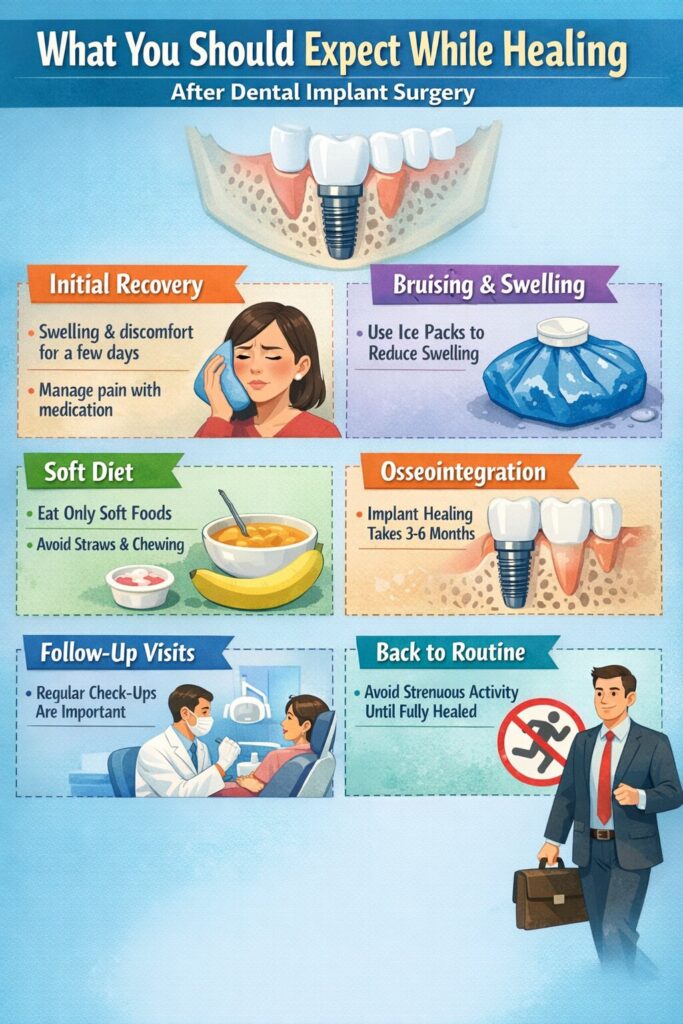
By following proper post-surgery instructions and keeping all your follow-up appointments with Centreport Smiles, you are well on your way to achieving your healed, implant-supported, radiant smile.
Your Journey to a More Confident Smile
The function and aesthetics of your smile can be fully restored by dental implants. When you are missing teeth, replacing them with dental implants is a great long-term option. Centreport Smiles is here to guide you throughout every step of the process of dental implant surgery. Whether you are replacing a single tooth or all of your teeth, you will need implants to provide the durability and structure for a beautiful, natural, long-lasting smile.
Take the first step in improving your smile with help from Centreport Smiles. We want to give you a dental implant that provides the highest level of quality and can be customized to your specific needs. Contact Centreport Smiles to make an appointment for your consultation and begin your journey toward a more confident, happy you.
Questions People Ask About Dental Implants
-
- How long do dental implants last?
Dental implants can last a lifetime with proper care. The titanium post, which fuses with the jawbone, is incredibly durable. However, the restoration (crown, bridge, or denture) may need to be replaced after 10-15 years due to wear and tear. - Is the dental implant procedure painful?
The dental implant procedure is performed under local anesthesia, so you won’t feel pain during the surgery. Afterward, some discomfort and swelling may occur, but this can be managed with prescribed medications and over-the-counter pain relievers. - How long does the healing process take for dental implants?
The healing process typically takes a few months. During this time, the dental implant integrates with the jawbone (osseointegration). Once healing is complete, the final restoration can be placed. - Are dental implants a good option for replacing multiple teeth?
Yes, dental implants are a great option for replacing multiple teeth. Depending on your situation, a dentist may use a combination of implants, bridges, or dentures to restore your smile and improve function. - What should I expect during the recovery period after the implant surgery?
During recovery, you may experience some swelling and discomfort. It’s essential to follow your dentist’s aftercare instructions, including avoiding hard foods and practicing good oral hygiene to promote healing and prevent infection. - Can I get dental implants if I’ve lost bone in my jaw?
If you’ve lost bone in your jaw, you may still be a candidate for dental implants with procedures like bone grafting. Your implant dentist will evaluate your bone structure and recommend the best course of action to ensure successful implant placement.
- How long do dental implants last?