Losing a tooth — or facing the prospect of it — can feel overwhelming. Beyond the aesthetic concerns, missing teeth can affect how you eat, speak, and even how confident you feel day to day. The good news? Dental Implants Fort Worth patients trust have transformed smiles and lives across the area — and the procedure is far less intimidating than most people expect.
At Centreport Smiles in Fort Worth, TX 76155, we walk every patient through the process so there are no surprises. This guide covers exactly what happens before, during, and after dental implant surgery — in plain language.
What Are Dental Implants, and Why Do So Many Patients Choose Them?
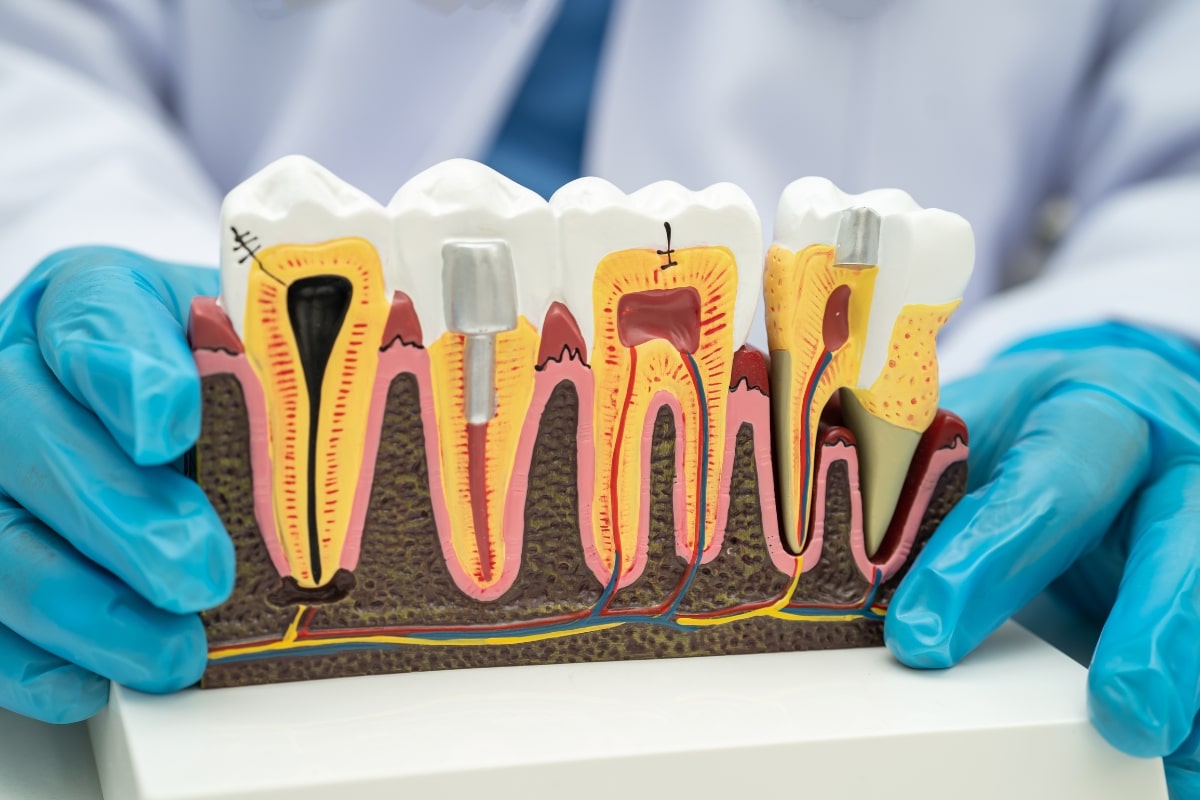
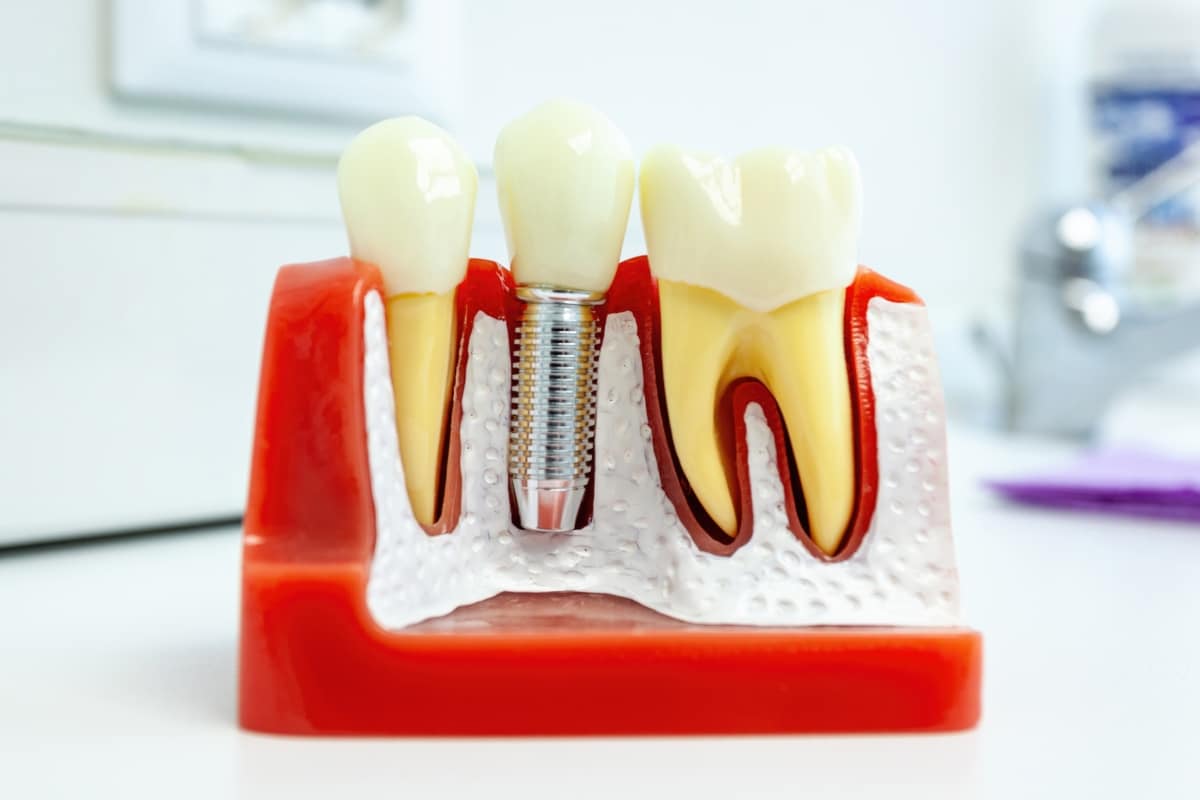
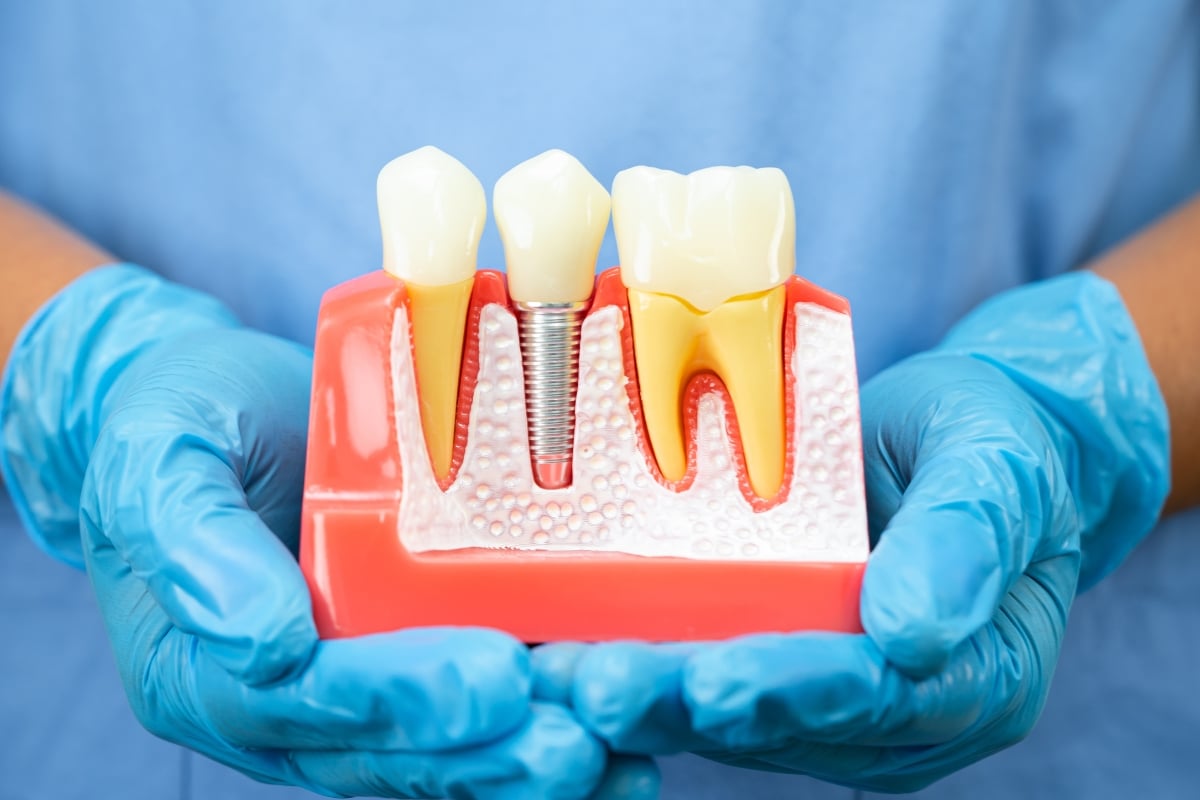
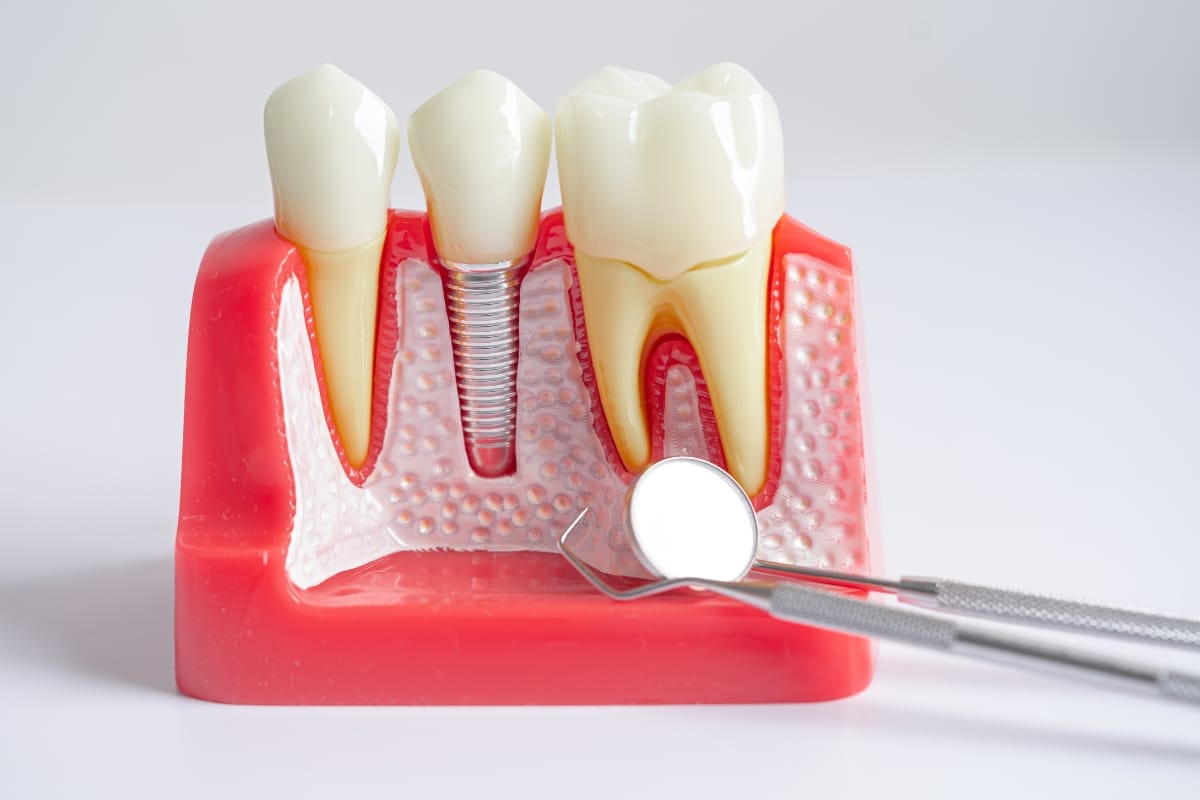
A dental implant is a small titanium post surgically placed into the jawbone to act as an artificial tooth root. Once it integrates with the bone — a process called osseointegration — a crown is attached on top, giving you a natural-looking, fully functional replacement tooth.
Unlike dentures or bridges, implants are:
- Permanent and stable (they won’t slip or shift)
- Bone-preserving (they stimulate the jaw the way natural roots do)
- Easy to care for (brush and floss like regular teeth)
- Long-lasting (with proper care, they can last decades)
For patients seeking dental implants Fort Worth, this combination of function and aesthetics makes them the gold standard for tooth replacement.
Before the Procedure: Your Consultation and Treatment Plan
Every successful implant begins with a thorough evaluation. At Centreport Smiles, we start with a comprehensive consultation that includes:
- Digital X-rays and 3D imaging to assess bone density and jaw structure
- A review of your medical and dental history
- A discussion of your goals and timeline
If you have insufficient bone volume, a bone graft may be recommended first — this is a separate, minor procedure that rebuilds the foundation before the implant is placed. Your dentist will discuss whether this applies to your case.
You’ll also receive a clear breakdown of the full treatment plan, including each phase, expected timeline, and cost. No guesswork, no surprises.
Ready to find out if you’re a candidate? Schedule your consultation at Centreport Smiles today — we’ll give you a personalized assessment and honest answers.
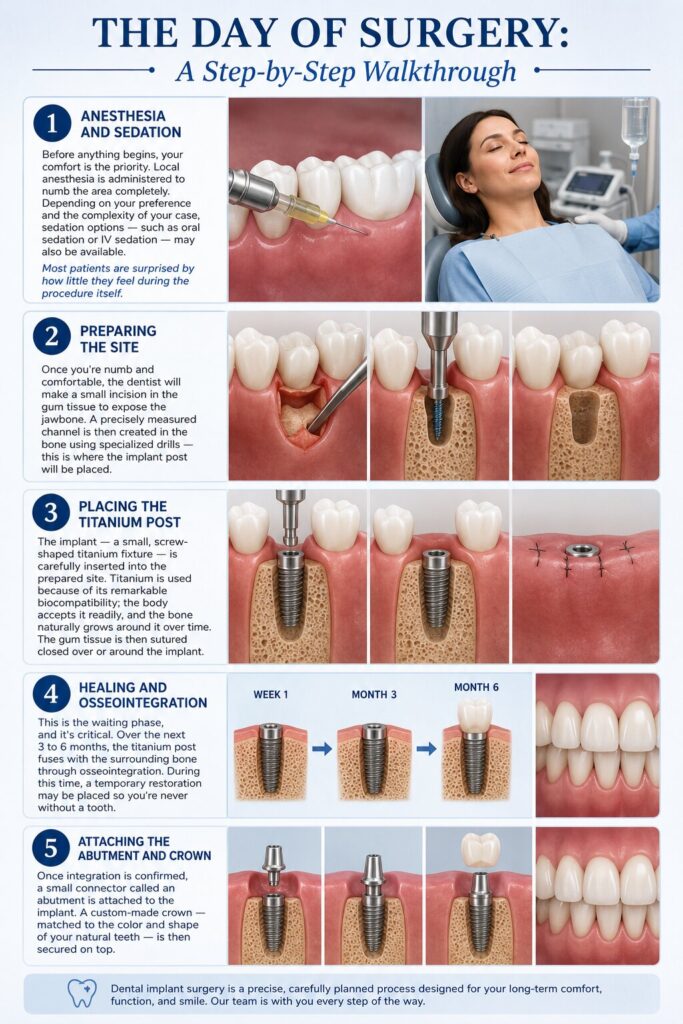
The Day of Surgery: A Step-by-Step Walkthrough
Step 1: Anesthesia and Sedation
Before anything begins, your comfort is the priority. Local anesthesia is administered to numb the area completely. Depending on your preference and the complexity of your case, sedation options — such as oral sedation or IV sedation — may also be available.
Most patients are surprised by how little they feel during the procedure itself.
Step 2: Preparing the Site
Once you’re numb and comfortable, the dentist will make a small incision in the gum tissue to expose the jawbone. A precisely measured channel is then created in the bone using specialized drills — this is where the implant post will be placed.
Step 3: Placing the Titanium Post
The implant — a small, screw-shaped titanium fixture — is carefully inserted into the prepared site. Titanium is used because of its remarkable biocompatibility; the body accepts it readily, and the bone naturally grows around it over time.
The gum tissue is then sutured closed over or around the implant.
Step 4: Healing and Osseointegration
This is the waiting phase, and it’s critical. Over the next 3 to 6 months, the titanium post fuses with the surrounding bone through osseointegration. During this time, a temporary restoration may be placed so you’re never without a tooth.
Step 5: Attaching the Abutment and Crown
Once integration is confirmed, a small connector called an abutment is attached to the implant. A custom-made crown — matched to the color and shape of your natural teeth — is then secured on top.
The result: a tooth that looks, feels, and functions like your own.
Centreport Smiles
Recovery: What the First Few Weeks Look Like
Most patients return to normal activities within 24–48 hours of the procedure. Here’s a realistic timeline of what to expect:
Days 1–3: Mild swelling, tenderness, and possible bruising around the site. Over-the-counter pain relievers are usually sufficient. Cold compresses help with swelling.
Days 4–7: Discomfort diminishes significantly. Soft foods are recommended. Avoid smoking and alcohol, which can slow healing.
Week 2 onward: Most patients feel completely back to normal. A follow-up appointment at Centreport Smiles confirms the site is healing properly.
3–6 months: The integration phase completes quietly beneath the surface. You’ll have follow-up checkpoints along the way.
The key to a smooth recovery is following your aftercare instructions carefully. Our team at Centreport Smiles provides detailed written guidance and is always a call away if you have concerns.
Are You a Good Candidate for Dental Implants in Fort Worth?
Dental Implants Fort Worth candidates generally need to meet a few criteria:
- Adequate bone density to support the implant (or eligibility for bone grafting)
- Good overall oral health — existing gum disease should be treated first
- Non-smokers or willing to quit — smoking significantly affects healing
- Commitment to oral hygiene and regular dental checkups
- Controlled systemic conditions — patients with well-managed diabetes, for example, are often still good candidates
The only way to know for certain is an in-person evaluation. Schedule your appointment today at Centreport Smiles, and let’s assess your unique situation together.
Questions Patients Ask Us Every Week
How painful is dental implant surgery, really?
Most patients are genuinely surprised — the procedure itself is nearly painless thanks to local anesthesia. Post-operative discomfort is typically mild and manageable with over-the-counter pain medication. Many patients compare it to a routine extraction.
How long does the entire process take from start to finish?
It varies, but a typical implant journey takes between 3 and 9 months. The surgery itself is completed in one visit; most of that timeline is the healing and osseointegration phase. Cases requiring bone grafting take a bit longer.
What happens if I don’t have enough bone in my jaw?
Bone grafting can rebuild what’s needed. It’s a common, well-established procedure. After the graft heals — usually 3 to 4 months — implant placement can proceed normally. Your dentist at Centreport Smiles will walk you through whether this is necessary for you.
Can I eat normally after getting dental implants?
You’ll follow a soft-food diet for the first week or two after surgery. Once fully healed and the permanent crown is in place, you can eat virtually anything — including foods that may have been difficult with missing teeth or dentures.
Will my implant look natural?
Yes — this is one of the most appreciated aspects of the procedure. The crown is custom-crafted to match the size, shape, and shade of your surrounding teeth. Most people won’t be able to tell it apart from a natural tooth.
Take the First Step Toward a Complete, Confident Smile
Dental implant surgery is a well-tested, highly predictable procedure — and for the right candidate, it’s one of the most life-changing investments you can make in your oral health and overall well-being.
At Centreport Smiles, located in Fort Worth, TX 76155, our team is experienced in guiding patients through every stage of the implant process with transparency, compassion, and precision.
Schedule your appointment today and find out if dental implants are the right solution for you. Your best smile is closer than you think.