You worked hard for your straight smile. You wore your aligners, attended every appointment, and finally finished Invisalign treatment. But here is something many patients in Euless do not expect: your teeth can shift back without a retainer. Understanding why your Invisalign results disappear without a retainer in Euless is one of the most important lessons after treatment ends. At Centreport Smiles, Dr. Harika Lala wants every patient to protect the smile they earned.
What Happens to Your Teeth After Invisalign?
Invisalign moves your teeth by applying gentle, consistent pressure. Your bone and gum tissue adapt slowly to each new position. When treatment ends, that tissue has not fully stabilized yet. Your teeth still want to drift back toward their original positions.
This process is called relapse. It is extremely common when patients skip their retainer. Even small shifts can undo months of careful alignment work. The risk is highest in the first year after Invisalign.
Your teeth are held in place by fibers called periodontal ligaments. These fibers have memory. They pull teeth back toward where they started. Only consistent retainer use can counteract that pull over time.
Why Retainers Are Non-Negotiable After Invisalign in Euless
Retainers are not optional accessories. They are a required part of your orthodontic treatment plan. Skipping them means your investment in Invisalign may be wasted. Dr. Harika Lala considers retention just as important as the alignment phase itself.
There are two main types of retainers patients use after Invisalign. Each has specific advantages depending on your lifestyle and bite.
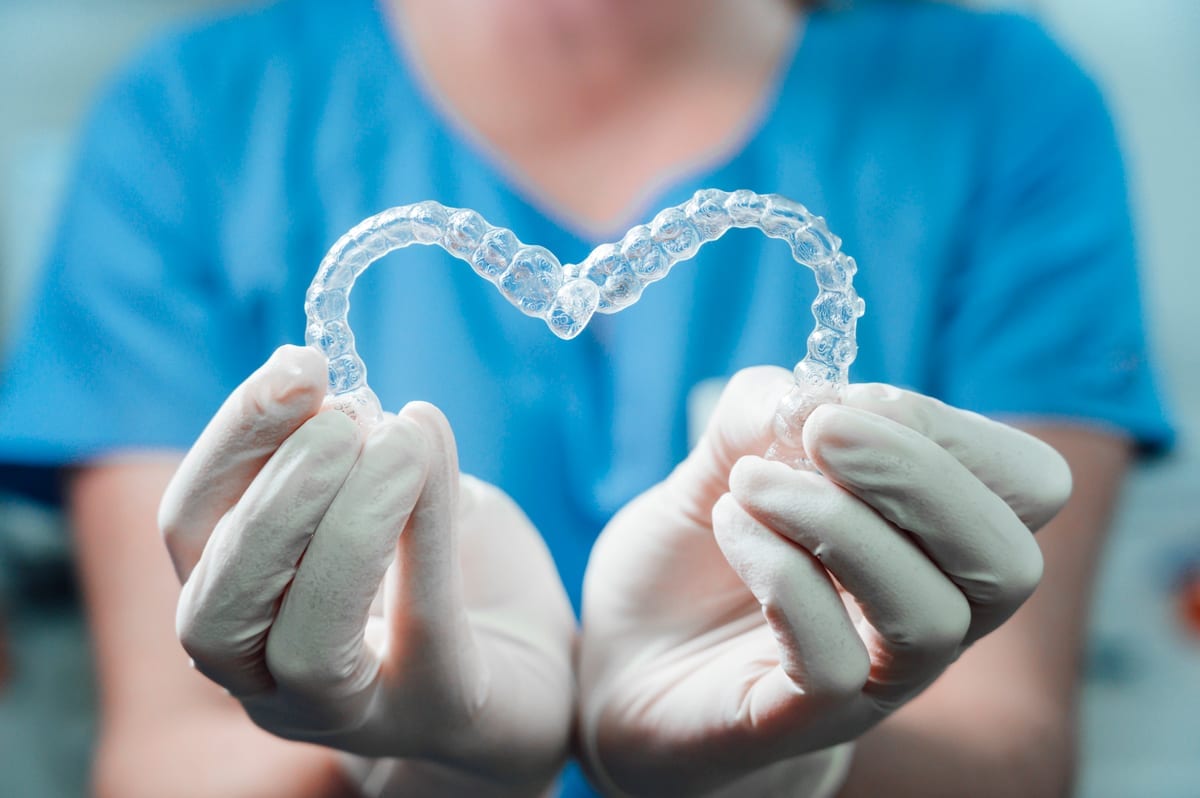
- Removable clear retainers: These look similar to Invisalign trays. You wear them nightly and remove them to eat and drink.
- Fixed bonded retainers: A thin wire is bonded to the back of your teeth. It works continuously without any effort from you.
- Hawley retainers: These use a wire and acrylic plate. They are durable and can be adjusted if needed.
- Combination approach: Some patients use a fixed retainer on bottom teeth and a removable one on top.
Dr. Lala recommends the best option based on your specific treatment outcome. She carefully evaluates your bite, tooth movement, and daily habits before deciding. No single retainer type works for every patient.
What Happens If You Skip Your Retainer?
Many patients feel confident after Invisalign ends. Their smile looks great, and wearing a retainer feels unnecessary. But teeth begin shifting within days of stopping retainer use. The changes may be subtle at first, but they compound over time.
Here is what can happen without consistent retainer wear:
- Front teeth crowd and overlap again
- Gaps reopen between teeth
- Your bite alignment shifts
- You may need additional orthodontic treatment
- Your overall Cosmetic Dentistry results are compromised
Some relapse cases are minor and only require minor adjustments. Others require retreatment with new aligners. Neither outcome is what any patient wants after completing Invisalign.
In rare cases, severe relapse can create bite problems that require more than just braces. Protecting your results is always more affordable than correcting a relapse. Do not wait until your teeth have moved to take action.
How Long Do You Need to Wear a Retainer?
This is the question every Invisalign patient asks. The honest answer is that retainer use is a long-term commitment. Your teeth never stop experiencing natural forces. Aging, grinding, and daily chewing all influence tooth position over decades.
Here is a general timeline most patients follow after Invisalign:
- First 3–6 months: Wear your retainer full-time, removing only to eat or brush.
- Months 6–12: Transition to nighttime-only wear as directed by Dr. Lala.
- Year 2 and beyond: Continue nightly wear indefinitely to maintain results.
Some patients ask if they can eventually stop wearing a retainer entirely. The short answer is no. Once you stop completely, teeth will gradually shift. Nightly wear for life is the standard recommendation from most orthodontic professionals.
It may feel like a burden at first. But most patients adapt quickly. Wearing a retainer at night becomes as routine as brushing your teeth. The habit is small compared to the smile it protects.
Caring for Your Retainer and Knowing When to Replace It
Retainers do not last forever. Clear removable retainers can crack, warp, or become discolored over time. A damaged retainer does not hold your teeth in position effectively. Regular replacement is part of maintaining your Invisalign results.
Here are tips for keeping your retainer in good condition:
- Rinse it with cool water after each use
- Clean it gently with a soft toothbrush and mild soap
- Avoid hot water, which can warp the plastic
- Store it in its case when not in use
- Bring it to your regular checkup so Dr. Lala can inspect it
If your retainer feels tight when you put it on, that is a warning sign. It means your teeth shifted while you were not wearing it. Contact Centreport Smiles promptly so we can assess the situation. Early action prevents larger problems.
Patients who experience dental emergencies or unexpected tooth pain should also seek care right away. Our team provides Emergency Dentistry services to address urgent concerns quickly. Protecting your overall dental health supports your Invisalign results too.
Protecting Your Smile Long-Term in Euless
Invisalign is a meaningful investment in your confidence and oral health. Retention is what makes that investment last. Dr. Harika Lala and the Centreport Smiles team are committed to guiding Euless patients through every phase of their smile journey.
Do not let your results fade because of a skipped retainer. Stay consistent, follow your wear schedule, and keep your regular dental appointments. A small daily habit protects years of careful work.
If you have questions about your retainer or want to start Invisalign, we are here to help. Book Now to schedule your appointment with our team.
Frequently Asked Questions
Why do teeth shift after Invisalign treatment ends?
Your teeth shift because the bone and tissue around them have not fully stabilized after movement. Periodontal ligaments have a natural memory that pulls teeth back toward their original positions. Only consistent retainer wear prevents this from happening.
How soon do teeth shift if I stop wearing my retainer?
Teeth can begin shifting within just a few days of stopping retainer use. The first few months after Invisalign carry the highest risk of relapse. Even minor gaps in wear can lead to noticeable movement over time.
Can I go back to Invisalign if my teeth relapse?
In many cases, yes. If relapse is caught early, a short round of refinement aligners may correct the shift. However, significant relapse may require a full new treatment plan. Preventing relapse with a retainer is always the better option.
How do I know if my retainer still fits correctly?
Your retainer should slide on smoothly without significant pressure or pain. If it feels tight or difficult to seat, your teeth may have shifted. Bring it to Centreport Smiles so Dr. Lala can evaluate your fit and recommend next steps.
Is a fixed retainer better than a removable one?
Both types are effective when used correctly. Fixed retainers work passively without any effort, which reduces the risk of patient non-compliance. Removable retainers offer flexibility but require discipline to wear consistently. Dr. Lala will recommend the best option based on your individual needs.