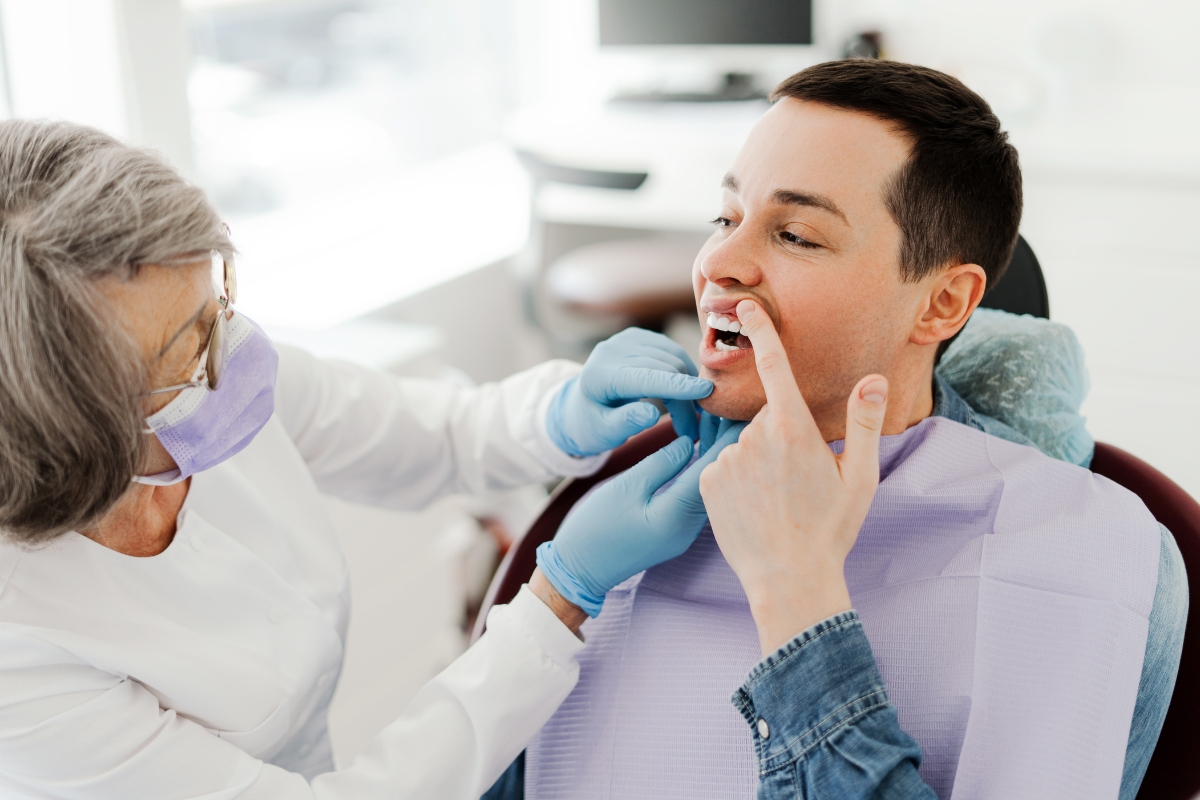
Dental emergencies rarely give you a heads-up before they strike. One minute you’re enjoying a meal, and the next, you’re dealing with sharp pain or a broken tooth. This can be unsettling, but it’s important to recognize the warning signs early on to avoid worsening your condition. Whether it’s a sudden toothache or unusual swelling, spotting these symptoms early can make all the difference in your treatment options.
In this blog, we’ll explore 7 warning signs that may signal a dental emergency and why you shouldn’t ignore them. Taking prompt action could save you from more serious dental issues and expensive treatments later.
What Qualifies as a Dental Emergency?
A dental emergency can arise at any moment, and knowing how to recognize one is crucial to getting the help you need right away. Dental emergencies are often characterized by pain, injury, or issues that put your oral health at risk. Some emergencies, like a severe toothache, are more obvious, while others, like gum disease, might be subtler but still require immediate attention.
It’s important to understand that a dental emergency isn’t just about pain. It can also involve swelling, trauma, or issues affecting the function of your teeth. Delaying care can result in infections, permanent damage, and even tooth loss.
When you’re dealing with a dental emergency, time is of the essence, and seeking professional care right away can help prevent further damage. An emergency dentist in Fort Worth is trained to quickly assess the situation and provide treatment options tailored to your needs, so don’t hesitate to call if you’re unsure.
7 Warning Signs You Shouldn’t Ignore
Being able to spot the warning signs of a dental emergency is key to addressing problems before they escalate. Here are seven signs that indicate you should seek immediate dental care:
- Severe Tooth Pain: If you’re experiencing continuous, intense tooth pain that doesn’t go away, it may indicate an infection, a deep cavity, or a cracked tooth. This type of pain should never be ignored, as it could worsen without treatment.
- Swollen or Bleeding Gums: Gums that bleed easily, especially when brushing or flossing, may signal gum disease or an infection that needs prompt attention. Swelling in the gums can also be a sign of an abscess, a pocket of infection that can cause further complications if left untreated.
- Sensitivity to Temperature: Sudden pain or discomfort when consuming hot or cold food and drinks could indicate cavities, cracked teeth, or worn-down fillings. If this sensitivity lingers, it could be a sign that a more serious issue is brewing.
- Loose or Knocked-Out Teeth: A loose or knocked-out tooth is an urgent situation that requires immediate attention. The sooner you get to a dentist, the better the chances of saving the tooth. If a tooth is knocked out, try to keep it moist and visit the dentist right away.
- Persistent Bad Breath: Foul-smelling breath can be more than just a sign of poor hygiene. It can indicate gum disease, an untreated infection, or decay. If you have persistent bad breath, it’s time to get it checked by a professional.
- Inability to Chew or Bite: Difficulty chewing or biting down can be caused by a cracked tooth, a loose filling, or a damaged crown. This condition can make eating uncomfortable and should be addressed as soon as possible to prevent further damage.
- Visible Abscess or Pimple on Gums: An abscess, or a small pimple-like bump, on the gums is often filled with pus and can indicate a serious infection. If left untreated, the infection could spread, leading to more severe health problems.
What to Do if You Experience These Symptoms
If you notice any of these warning signs, it’s important to take action immediately. Here’s what you can do to help manage the situation before you see an emergency dentist:
- Severe Tooth Pain: Over-the-counter pain relievers like ibuprofen or acetaminophen can help temporarily ease the pain. Apply a cold compress to the outside of your cheek to reduce swelling.
- Swollen or Bleeding Gums: Rinse your mouth with warm salt water to reduce swelling and remove any debris. Avoid aggressive brushing until you’ve seen the dentist.
- Sensitivity to Temperature: Avoid hot or cold foods and drinks. If the pain is unbearable, take over-the-counter pain relievers, but make sure to visit your dentist soon.
- Loose or Knocked-Out Teeth: If a tooth is knocked out, gently rinse it with water and place it in a container with milk or saliva. This can increase the chances of saving the tooth. If it’s loose, avoid touching it and seek emergency care immediately.
- Persistent Bad Breath: Brush and floss your teeth gently, paying attention to your gums, and rinse with an antimicrobial mouthwash. Make an appointment to investigate the root cause of the bad breath.
- Inability to Chew or Bite: Avoid chewing on the affected side and take pain relief if necessary. This could be a sign of a cracked or damaged tooth, so prompt dental care is essential.
- Visible Abscess or Pimple on Gums: Rinse with warm salt water and avoid squeezing the abscess. Visit your dentist as soon as possible to drain the abscess and treat any underlying infection.
In all cases, the key is not to ignore these symptoms. While at-home care can provide temporary relief, seeing an emergency dentist is essential to prevent further complications.
Why Timely Care is Crucial
Ignoring dental emergencies can lead to severe consequences. For instance, untreated infections can spread to other parts of your mouth or even to your bloodstream, causing serious health risks. Tooth decay, left untreated, can result in tooth loss, requiring costly treatments like implants or dentures.
Timely care allows your dentist to intervene early and preserve your natural teeth. Treatment options vary depending on the severity of the emergency, but they might include root canals, fillings, crowns, or even extractions.
Addressing the problem right away not only protects your oral health but also saves you time and money in the long run. Don’t wait for the problem to get worse. Prompt dental care is essential to protect your smile and your overall health.
When to Visit an Emergency Dentist
Some dental issues require immediate intervention. If you’re experiencing any of the following, don’t wait. Visit an emergency dentist in Fort Worth right away:
- Severe Bleeding: If you’re bleeding excessively from your mouth, or if a tooth was knocked out and won’t stop bleeding, immediate care is required.
- Knocked-Out Teeth: The sooner you visit a dentist, the more likely it is that the tooth can be saved, especially if you act within 30 minutes.
- Extreme Pain or Swelling: If pain or swelling is severe, and over-the-counter remedies aren’t working, it’s time to get professional help.
- Abscesses or Infection: If you notice a visible abscess or experience significant discomfort, it’s essential to have it addressed by a dentist to prevent the infection from spreading.
During an emergency appointment, you can expect a thorough examination, diagnostic imaging (like X-rays), and a treatment plan to address the issue quickly and effectively. Your dentist will explain all available options and provide immediate care to help alleviate discomfort and prevent further damage.
Recognizing the signs of a dental emergency and acting quickly can make all the difference in your treatment and overall oral health. If you notice any of the warning signs discussed in this blog, don’t hesitate to contact your emergency dentist.
At Centreport Smiles, we’re committed to providing prompt and professional dental care when you need it most. If you’re experiencing any of these symptoms or have concerns about your oral health, call us today to schedule your emergency dental appointment and get back to smiling confidently. Your dental health is important. Let us help you protect it.
Common Questions Parents Ask About Dental Emergencies
- What should I do if I have severe tooth pain?
If you’re experiencing severe tooth pain, take over-the-counter pain relievers like ibuprofen to manage discomfort. Apply a cold compress to reduce swelling, and contact an emergency dentist as soon as possible for a proper diagnosis and treatment.
- How can I tell if I need an emergency dentist?
You should seek emergency dental care if you’re experiencing severe bleeding, a knocked-out tooth, significant pain, or visible abscesses. These issues can lead to serious complications if not addressed promptly.
- What is the first thing I should do if a tooth gets knocked out?
If a tooth gets knocked out, rinse it gently with water without scrubbing it. Place the tooth in milk or saline solution, and visit an emergency dentist immediately. The sooner you act, the better the chances of saving the tooth.
- Can I wait to see a dentist if I have swollen or bleeding gums?
Swollen or bleeding gums could indicate gum disease or an infection. You shouldn’t wait to seek dental care, as untreated conditions can worsen and lead to tooth loss or other complications. Schedule an appointment with an emergency dentist as soon as possible.
- What treatments are available for dental emergencies?
Depending on the nature of your dental emergency, treatments may include root canals, tooth extractions, fillings, or crowns. An emergency dentist will assess the situation and provide the appropriate treatment to relieve pain and prevent further damage.