Many people in Euless, TX delay tooth replacement after an extraction. Life gets busy, and the missing tooth stops hurting — so it feels easy to wait. But underneath your gums, something serious is already happening. Is your jawbone shrinking? Signs you’re waiting too long for implants in Euless are more common than most patients realize.
The jawbone depends on tooth roots for stimulation. Without that stimulation, it begins to dissolve — a process called bone resorption. This isn’t a slow, harmless change. It can permanently alter your face, your bite, and your ability to get implants at all. Understanding the warning signs now could save your smile later.
Why Jawbone Loss Happens Faster Than You Think in Euless
When a tooth is removed, the bone that once supported it no longer receives pressure signals. Your body interprets this as a sign that bone is no longer needed there. It begins breaking down and reabsorbing that tissue within weeks. Studies show patients can lose up to 25% of bone width in the first year alone.
Euless residents who wait even 12 months after extraction face measurably greater bone loss. The longer you wait, the more complex and costly implant placement becomes. In severe cases, a bone graft is required before an implant can even be placed. Acting early is the single most effective way to avoid this outcome.
- Bone resorption begins within days of tooth loss
- Significant width loss occurs within the first 3–6 months
- Height loss continues steadily over the following years
- Severe loss may eliminate implant candidacy without grafting
Warning Signs Your Jawbone Is Already Shrinking
Many patients don’t notice bone loss because it happens silently. But your body does send signals — you just need to know what to look for. Recognizing these signs early gives you a much better chance at a successful implant outcome. Here are the most important red flags to watch for.
Shifting or loose teeth are a major warning sign. When bone shrinks, neighboring teeth lose their stable foundation. They begin to tilt or drift toward the gap. This creates new bite problems on top of the original missing tooth.
Changes in your facial appearance are another key indicator. Bone loss causes the lower face to appear sunken or collapsed. Your cheeks may look hollow, and your chin can appear closer to your nose. Patients often mistake this for normal aging — but it is driven by bone loss.
Difficulty chewing or speaking is also a common complaint. When your bite shifts due to bone and tooth changes, chewing becomes uncomfortable. You may unconsciously avoid certain foods or chew only on one side. Over time, this puts uneven pressure on remaining teeth and jaw joints.
- Teeth visibly tilting toward the empty space
- Sunken appearance around the cheeks or lower face
- Pain or clicking in the jaw joint (TMJ area)
- Dentures that no longer fit correctly
- Increased sensitivity in surrounding teeth
- Visible gum recession near the gap
Is Your Jawbone Shrinking? Signs You’re Waiting Too Long for Implants in Euless
If you recognize any of these warning signs, it’s important not to panic — but also not to delay further. A dental evaluation can reveal exactly how much bone remains and what your options are. Dr. Harika Lala at Centreport Smiles in Fort Worth, TX serves patients throughout the Euless area. She uses advanced imaging to assess bone volume and determine the best path forward.
Patients who come in early often qualify for straightforward implant placement. Those who have waited years may still be candidates, but the process takes longer. A bone graft adds healing time and additional steps before the implant post can be placed. The sooner you act, the simpler your treatment plan is likely to be.
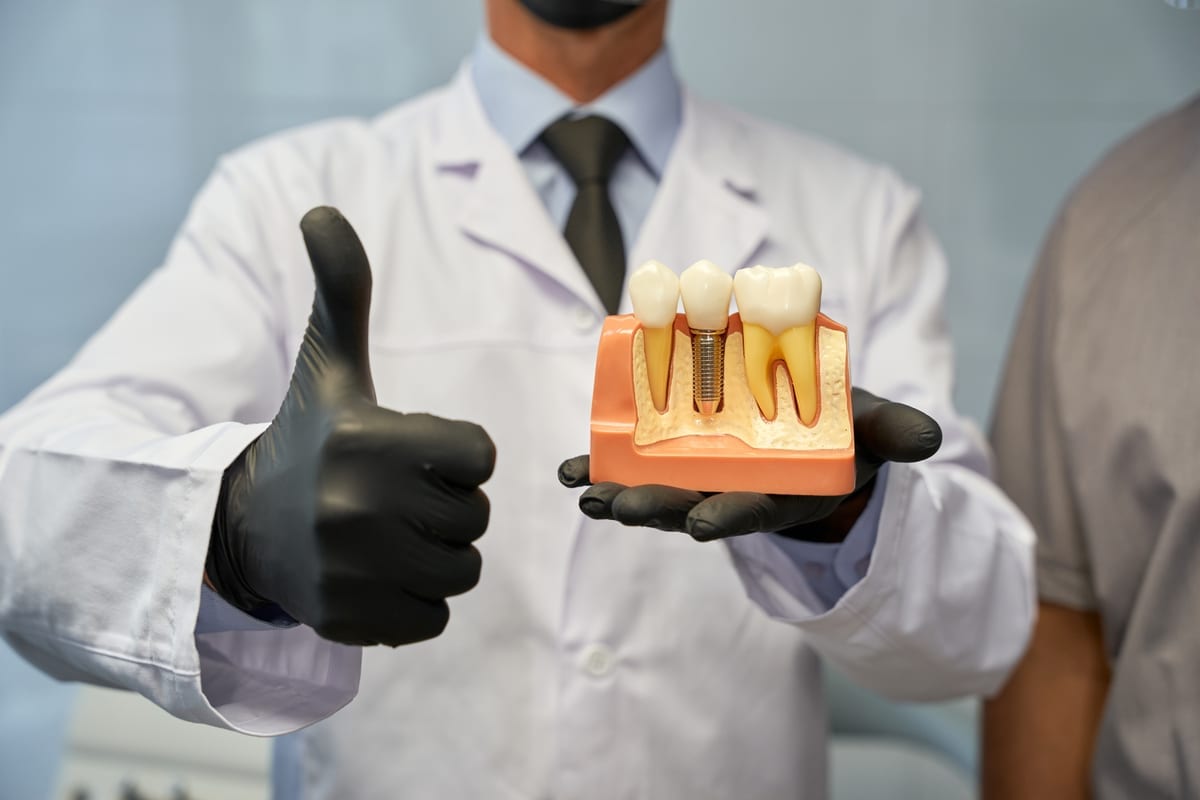
Dental implants are considered the gold standard for tooth replacement. They are the only option that directly stimulates the jawbone the way a natural tooth root does. This stimulation halts bone loss and preserves your facial structure. No other replacement option — bridge or denture — provides this level of bone protection.
What Happens During a Dental Implant Evaluation
Your first step is a comprehensive consultation. Dr. Lala will review your dental and medical history in detail. She will take 3D cone beam scans to measure your bone density and volume. This imaging tells her exactly where you stand and what treatment is needed.
If you have enough bone, the implant process can begin quickly. If bone grafting is needed, she will explain the timeline clearly. The goal is always to give you a realistic, honest picture of your options. There are no surprises at Centreport Smiles — just clear, patient-centered guidance.
Here is what a typical implant journey looks like:
- Initial consultation and 3D imaging
- Bone graft placement and healing (if needed)
- Implant post placement into the jawbone
- Healing period as the implant fuses with the bone
- Abutment and custom crown placement
- Final bite check and follow-up care
This process takes several months from start to finish. But the result is a permanent, natural-looking tooth that lasts decades. Most patients agree the timeline is well worth it. The alternative — continued bone loss — has consequences that are far harder to reverse.
Other Dental Concerns That Often Go Alongside Bone Loss
Bone loss rarely happens in isolation. Patients who have delayed tooth replacement often have other dental needs as well. Shifting teeth may need alignment correction through treatment like Cosmetic Dentistry options. Gum disease, which frequently accompanies bone loss, also needs to be treated before implant placement.
Some patients experience a dental emergency during this waiting period. A cracked neighboring tooth, an abscessed root, or sudden jaw pain can all become urgent issues. Emergency Dentistry services at Centreport Smiles are available to address these unexpected situations quickly. Taking care of urgent problems promptly protects your overall oral health and implant readiness.
Dr. Lala takes a comprehensive approach to every patient’s care. She doesn’t just treat the implant site — she evaluates your entire mouth. This full-picture approach leads to better long-term outcomes. It also helps catch new problems before they become costly emergencies.
Take Action Before It’s Too Late
Bone loss is progressive, but it is not inevitable once you take action. The moment an implant is placed, bone preservation begins. Your facial structure stabilizes, your bite improves, and your surrounding teeth stop shifting. That single decision to move forward protects your health for decades to come.
Patients in Euless and the greater Fort Worth area trust Dr. Harika Lala at Centreport Smiles for implant care that is thorough, compassionate, and personalized. If you’ve been putting off tooth replacement, now is the time to find out exactly where you stand. Don’t wait until bone grafting becomes your only option. Book Now to schedule your appointment with our team.
Frequently Asked Questions
How quickly does jawbone loss begin after tooth extraction?
Bone resorption begins within the first few days after a tooth is lost. Within three to six months, patients can lose a significant percentage of bone width in that area. This is why dental professionals recommend discussing implant placement soon after extraction — the sooner you act, the more bone you preserve.
Can I still get a dental implant if I’ve waited several years?
Yes, many patients who have waited years are still implant candidates. However, significant bone loss may require a bone graft procedure before implant placement. A 3D scan during your consultation will reveal your exact bone levels and determine what treatment you need before moving forward.
What does jawbone loss look like on the outside?
Visible signs of jawbone loss include a sunken or hollow appearance in the lower face, a shorter distance between the nose and chin, and cheeks that look deflated. Many patients attribute these changes to aging, but bone loss from missing teeth is frequently the underlying cause.
Are dental implants the only way to stop jawbone loss?
Dental implants are the only tooth replacement option that directly stimulates the jawbone through the implant post. Bridges and dentures sit above the gumline and do not transmit the pressure needed to maintain bone density. Implants are widely considered the most effective long-term solution for preserving jawbone health.
How do I know if I’m a good candidate for dental implants in Euless?
The best way to find out is through a consultation with Dr. Harika Lala at Centreport Smiles. She will evaluate your bone density, gum health, and overall oral condition using advanced imaging. Most adults in good general health qualify for implants, and she will walk you through every option available to you.