Too painful. Too expensive. Too old. Too risky. These are the fears holding many Euless residents back from a confident smile. The truth is, the 5 dental implant myths that keep patients from smiling in Euless are exactly that — myths. Dr. Harika Lala at Centreport Smiles hears these concerns every week. Today, we are setting the record straight so you can make an informed decision about your smile.
Why Dental Implant Myths Spread So Easily in Euless
Word-of-mouth shapes what people believe about dental procedures. A friend’s bad experience or an outdated article can fuel lasting fear. Dental technology has changed dramatically over the past decade. Many stories patients share simply no longer reflect modern implant care.
Misinformation also spreads because dental implants are a significant decision. People research heavily — and not all sources are reliable. Understanding real facts helps patients in Euless feel empowered. Knowledge replaces anxiety with confidence.
Here are the most common myths Dr. Lala encounters — and the facts that replace them.
Myth 1: Dental Implants Are Extremely Painful
The Myth: Many patients assume implant surgery involves unbearable pain. This fear stops them from even scheduling a consultation. It is one of the most common misconceptions we hear.
The Reality: Modern implant placement uses local anesthesia to keep you comfortable. Most patients report less discomfort than they expected. Many say a tooth extraction felt worse than the implant procedure.
Post-procedure soreness is normal and manageable. Over-the-counter pain relief handles most cases effectively. Swelling typically subsides within a few days. Dr. Lala walks every patient through exactly what to expect before, during, and after treatment.
Myth 2: I Am Too Old for Dental Implants
The Myth: Some patients believe age disqualifies them from getting implants. Older adults often assume their bodies cannot heal properly. This myth causes many seniors to settle for less effective options.
The Reality: Age alone is not a disqualifying factor for dental implants. What matters more is overall bone density and general health. Many patients in their 70s and 80s receive implants successfully every year.
A thorough evaluation determines candidacy — not a birthday. Dr. Lala reviews medical history, bone structure, and oral health together. Healthy older adults are often excellent candidates. Do not let age assumptions stop you from exploring your options.
Myth 3: Dental Implants Look Fake and Unnatural
The Myth: Patients fear implants will look obviously artificial. They picture obvious-looking crowns that do not match surrounding teeth. This concern keeps many people from pursuing a complete smile.
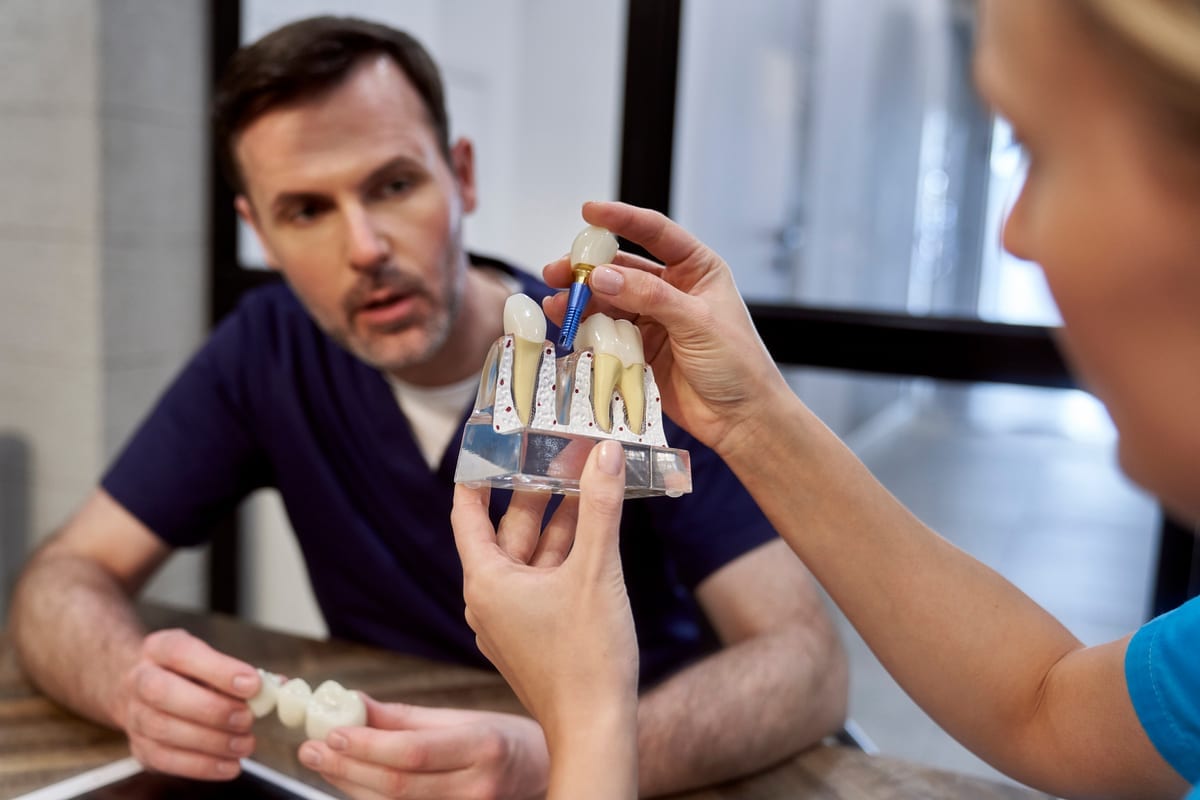
The Reality: Today’s dental implants are designed to blend seamlessly with natural teeth. The crown placed on top is custom-crafted to match your tooth color and shape. Most people cannot tell the difference between an implant and a natural tooth.
This is part of what makes implants a popular choice in Cosmetic Dentistry. The goal is always a natural, harmonious appearance. Dr. Lala takes precise measurements and uses high-quality materials. Your restored smile will look — and feel — completely natural.
Myth 4: Dental Implants Always Fail or Fall Out
The Myth: Some patients believe implants have high failure rates. Stories of complications lead people to assume this treatment is unreliable. This myth is particularly damaging because it replaces hope with hopelessness.
The Reality: Dental implants have a long-term success rate of over 95% when properly placed and maintained. They are considered the gold standard for tooth replacement. Failure is rare and usually linked to specific medical conditions or poor aftercare.
Proper oral hygiene is the biggest factor in implant longevity. Routine teeth cleanings and check-ups protect your investment. Dr. Lala provides clear aftercare instructions to every patient. With good habits, implants can last a lifetime.
Here is what contributes to implant success:
- Adequate jawbone density for stable placement
- Non-smoking habits or willingness to quit during healing
- Consistent daily brushing and flossing
- Regular professional cleanings and check-ups
- Following all post-procedure care instructions
Myth 5: The Process Takes Too Long to Be Worth It
The Myth: Patients hear the word
Frequently Asked Questions
How long do dental implants last?
With proper care and maintenance, dental implants can last 25 years or longer, and many patients enjoy them for a lifetime. The implant itself is made of biocompatible titanium that fuses with your jawbone, creating a permanent foundation. The crown or restoration on top may eventually need replacement due to normal wear, but the implant typically remains stable indefinitely.
Am I a good candidate for dental implants?
Most adults in good overall health are candidates for dental implants, though you’ll need adequate jawbone density to support the implant. Your Fort Worth dentist will evaluate your oral health, bone structure, and medical history during a consultation. Conditions like uncontrolled diabetes or active gum disease may require treatment before implant placement.
How much time does the implant process take?
The complete dental implant process typically takes 4 to 6 months from start to finish, depending on your individual needs and bone quality. This includes the initial implant placement surgery, a healing period of 3 to 6 months for osseointegration, and then placement of your final crown. Some patients may be candidates for faster options, which your dentist can discuss during your consultation.
Is dental implant surgery painful?
The implant placement procedure is performed under local anesthesia, so you won’t feel pain during the surgery itself, though you may feel pressure or vibration. Most patients experience manageable discomfort for a few days after the procedure, similar to having a tooth extracted. Over-the-counter pain medication and ice application typically provide adequate relief during the healing phase.
How do I care for my dental implant?
Dental implants require the same daily care as natural teeth: brushing twice daily, flossing, and regular use of mouthwash. You’ll also need to attend regular checkups and professional cleanings with your Fort Worth dentist every six months. Avoid hard or sticky foods, and don’t use your teeth as tools to protect your implant investment.