Missing a tooth is more than just a change to your smile; it also affects your oral function. It can make chewing feel different, make speaking difficult, and you might start to avoid some of your favorite foods. Dental Implants are proven to be a viable long-term solution to these issues as they feel just like your natural teeth and offer confidence. However, as every person’s smile has distinct characteristics, the number of implants required varies.
Having a complete set of strong teeth is essential for eating, meeting people, and even attending public events. In this blog, you will learn about implants, how many implants you may need, and the factors that contribute to your needs.
Understanding Dental Implants
Dental implant surgery is one of the surest ways to fill gaps left by missing teeth and regain complete mouth functionality. Compared to dentures or bridges, dental implant surgery allows the implant to firmly root in the jawbone, serving as an artificial support for the teeth and thereby facilitating mastication and pronunciation. Additionally, many people opt for dental implant surgery because, in addition to filling the space, it maintains the structure of the jawbone, thus preventing the jaw from shrinking or sinking.
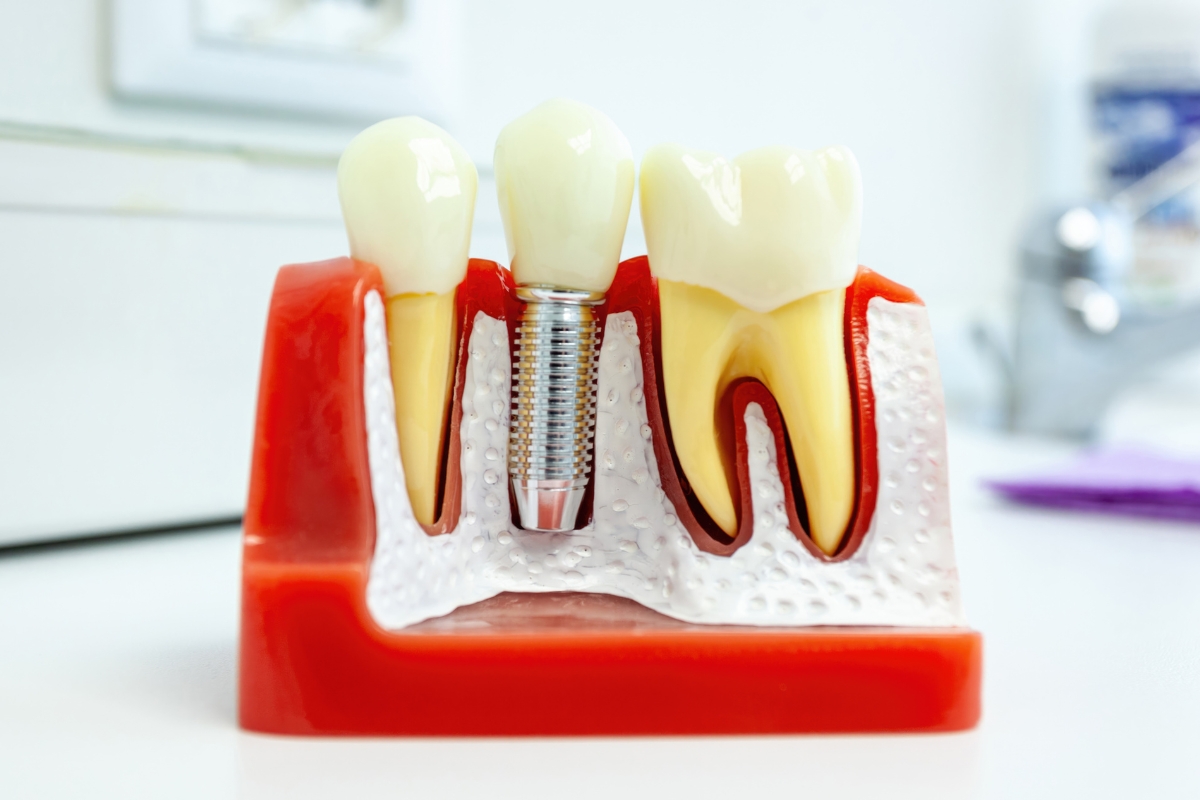
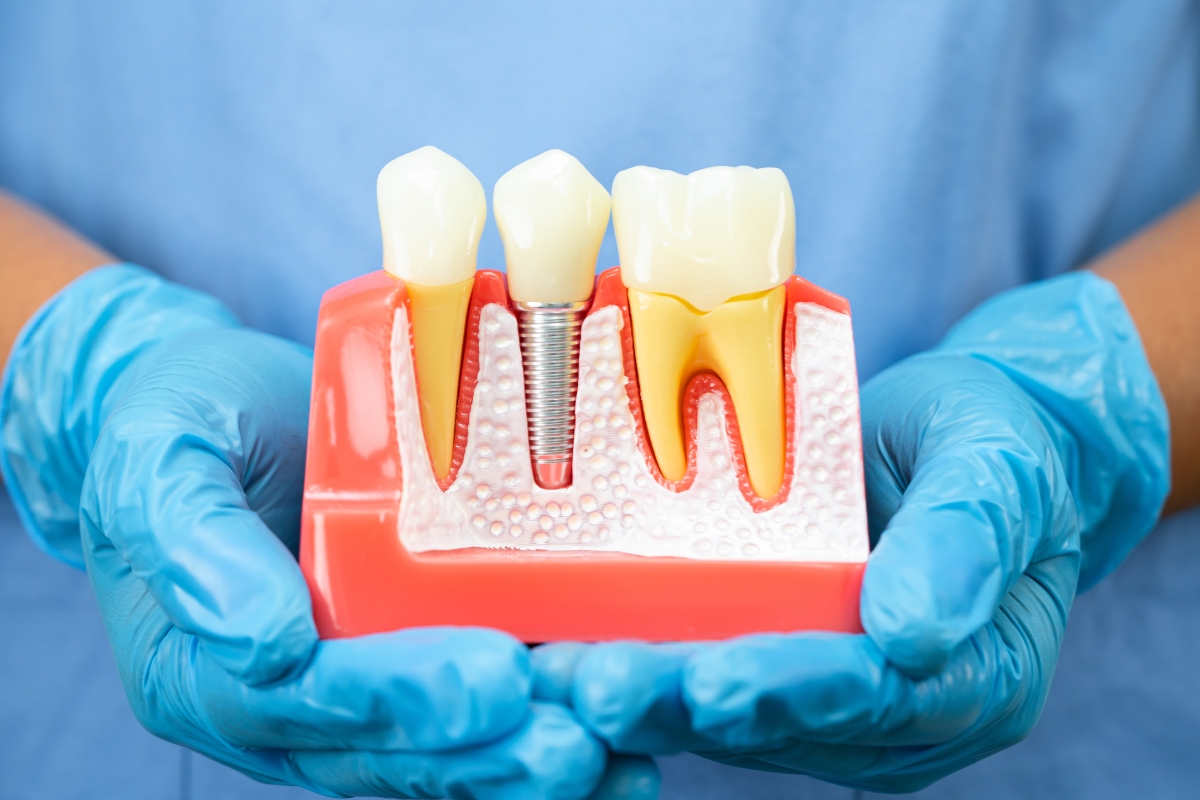
The treatment involves implanting a titanium screw into the jaw to mimic the root of a natural tooth. After healing, the screw is ready to support a dental crown, a bridge, or even an entire set of teeth, depending on which teeth are missing in a patient. The dental implant solution is recommended for patients who have lost teeth in their upper and/or lower arches, as well as for those who have lost only one tooth. It enables them to eat, laugh, and speak comfortably.
A dentist examines bone density, missing teeth, and gum health to determine how many implants you need. For complex cases, you might be referred to an oral surgeon or a dentist with records in placing dental implants in Fort Worth.
How Many Implants Do You Need?
Sometimes, if several teeth are missing consecutively, it may not be necessary to place several implants. In such cases, two implants can support a replacement of three or more teeth.
If many teeth are missing, full-arch implants can replace the entire arch. Four or six dental implants can support a full set of replacement teeth, helping restore comfort during eating and speaking.
When Might You Need More Than One Implant?
The healing ability, the jawbone’s power, and the plan also influence the number of dental implants needed. Your dentist may suggest extra implants when multiple teeth need support at once or when stronger bite pressure must be handled comfortably.
As missing teeth can occur on both sides of the mouth, dental professionals may recommend multiple implants to balance the implant-supported teeth. Some people’s lifestyles may require more implant stabilization to handle eating practices like drinking icy sweet tea or biting into crisp produce, depending on the season.
Dental Implants Procss: Step-by-Step Guide
The dental implant procedure is complex and requires several steps to ensure the implants remain stable and functional over time. Knowing these steps will help patients feel ready for the procedure and even more confident throughout treatment. However, the steps may vary depending on healing rate and complexity for different individuals; follow the steps below.
- Initial Consultation & Examination: Bone density, gum health, and overall suitability for implant placement are assessed using either an X-ray or a digital scan. The dentist then creates a treatment plan for replacement based on the number of teeth to be replaced.
- Jawbone Preparation (If Required): In case the jawbone has become thin or weak, a minor bone graft procedure could be advised. Jawbone preparation will ensure proper implant fixation.
- Implant Placement Surgery: A titanium post is placed in the jawbone using local anesthesia. Once implanted, the post serves as the new root of the tooth. It will eventually merge with the bone.
- Healing & Osseointegration Phase: After placement, the underlying bone immediately begins to integrate with the implant.
- Abutment & Crown Placement: A connector or abutment is placed, and then your own crown is positioned to resemble your natural teeth.
Success requires good oral hygiene practices and enough support from the jawbone. Before suggesting a treatment, a dentist evaluates gum health, bone strength, medical history, and bite strength to ensure dental implants last for many years. With the proper care, dental implants will act just like natural teeth.
Factors to Consider Before Getting Dental Implants
Dental implants from a Fort Worth dentist are often chosen by those who want a fixed, natural-feeling replacement for missing teeth. Some factors that influence the correct number of implants required are as follows:
- Jawbone Health: It is essential to have strong bones to support the implant firmly. The dentist will evaluate bone density and guide you on which areas need strengthening.
- Number and Position of Missing Teeth: It takes only one tooth to support one implant. Several teeth can be replaced by fewer implants using bridges.
- Oral Health: Healthy gums surrounding an implanted device help extend its lifespan. An infected or swollen area is what a dentist will check.
- Lifestyle and Bite Needs: People with a preference for hard foods require support. This helps determine how many implants are best.
Ready to Smile Confidently Again?
Strong oral health influences the way you eat, speak, and feel every time. Whether you have lost only a single tooth or more, knowing the number of implants you require will help you make the right decision. Consulting with a dentist will help you understand how your gums and bone support the implants. You deserve a full smile to enjoy while eating, during family gatherings, or while living your life.
If you have questions or concerns about filling the space left by your missing teeth, Centreport Smiles can help. Contact us today to learn how dental implants may help you regain strength and comfort in your teeth. Schedule a consultation, ask as many questions as you want, and begin your smile-confidence journey with a supportive dental care team.
FAQs
- How many implants are needed to replace one missing tooth?
Usually, one implant holds one crown. It works like a natural tooth and feels secure when healed. Your dentist first checks bone height and gum health, then decides whether a single implant is sufficient for long-term support and comfort. - Can two implants replace three or more teeth?
Yes. Two implants can support a bridge that replaces several teeth in a row. This helps save time and reduces the total implants needed. It gives firm chewing support and restores the smile without placing separate implants for each tooth. - Do full-mouth replacements require one implant per tooth?
No. Full arch restorations often use four to six implants to support an entire row. This setup spreads pressure evenly. It lets you eat, speak, and smile with confidence again, without the need for individual placement for every missing tooth. - Who decides the number of implants I need?
A dentist checks jawbone health, missing teeth, bite pressure, and gum condition. Then they suggest the number needed for stability and comfort. Every case is different, so a personalized checkup helps give the right suggestion. - How long does implant treatment take?
Placement happens in steps. First, the implant is placed, then the healing time allows it to bond with the bone. A crown or bridge is placed later. The whole process varies based on healing speed and jaw condition. - Can implants feel like natural teeth?
Many patients say implants feel close to real teeth. Once healed, they are allowed to eat and speak like before. Good oral habits and regular visits help keep them strong for years.