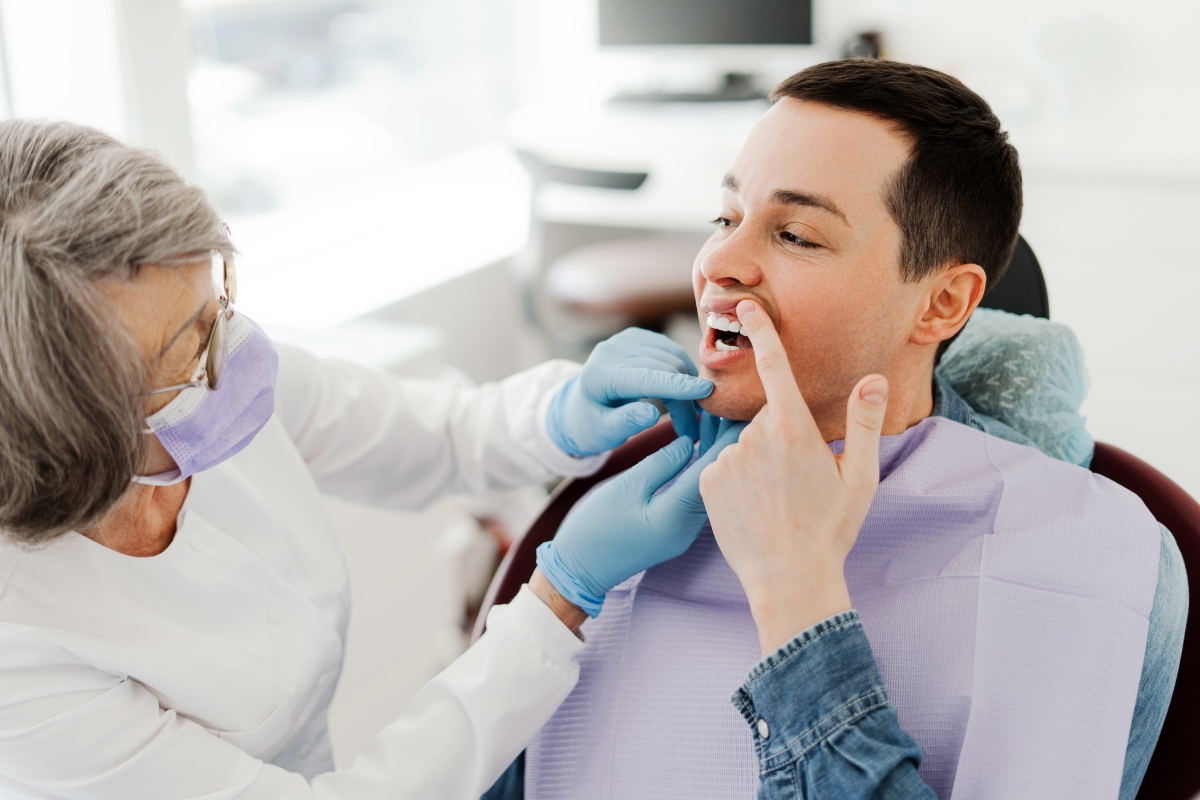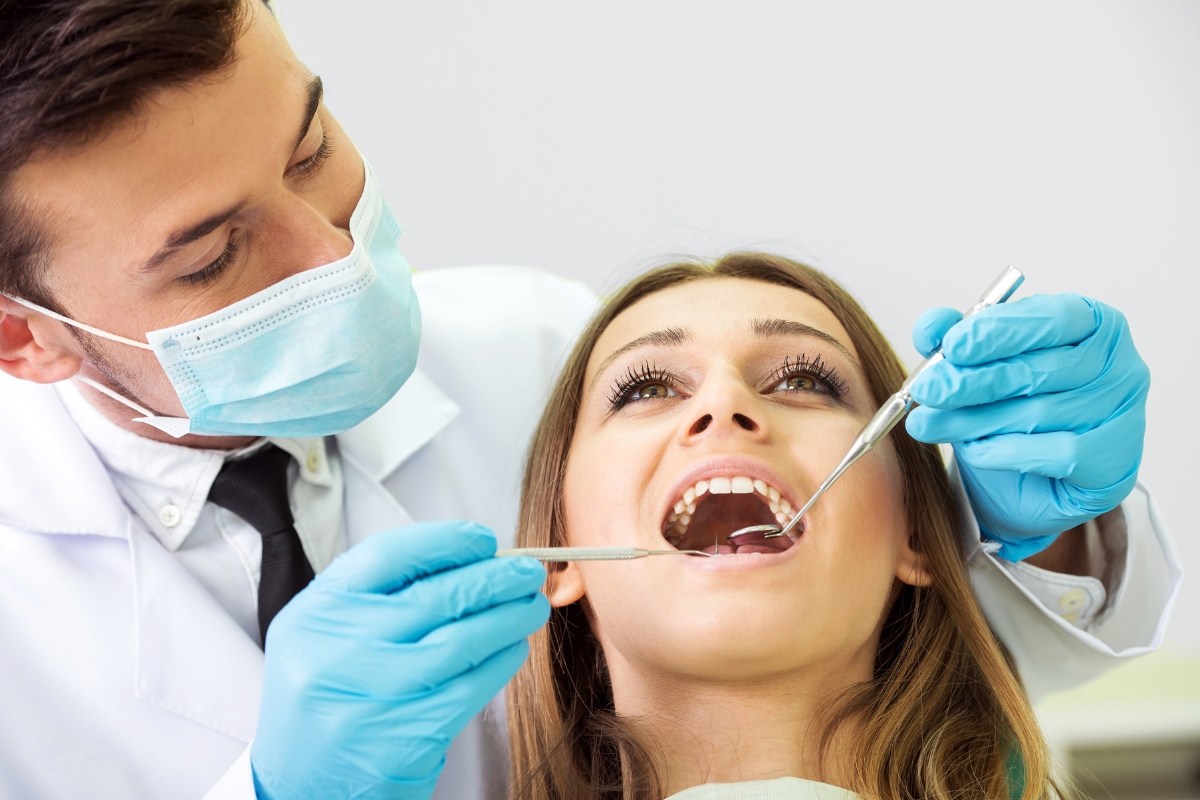
Dental emergencies rarely happen at a convenient time. More often than not, they show up late at night, during a weekend barbecue, or when Fort Worth traffic is the last thing you want to deal with. A sudden toothache, broken crown, or knocked-out tooth can feel overwhelming—especially when your regular dental office is closed.
Knowing how to respond in those first moments can make a major difference in pain control, tooth preservation, and overall outcomes. Many Fort Worth residents turn to an Emergency Dentist Fort Worth when urgent care can’t wait until morning—but before you get there, what you do at home matters just as much.
This guide walks you through practical, real-world steps to take when a dental emergency strikes after hours, so you can stay calm, protect your smile, and know when it’s time to seek immediate professional care.
First Things First: Stay Calm and Assess the Situation
Panic is natural, but taking a moment to assess what’s happening helps you respond correctly. Ask yourself:
-
Is there severe pain that won’t stop?
-
Is there bleeding that doesn’t slow after 10 minutes?
-
Is a tooth loose, broken, or completely knocked out?
-
Is there facial swelling or signs of infection?
If the answer is “yes” to any of these, the situation should be treated as urgent.
Fort Worth families are often juggling busy schedules, youth sports, and long workdays—so having a plan ahead of time can reduce stress when the unexpected happens.
Common After-Hours Dental Emergencies (and What to Do)
1. Severe Toothache
A toothache that wakes you up at night is your body’s way of saying something isn’t right.
What you can do immediately:
-
Rinse gently with warm salt water
-
Use dental floss to remove trapped food
-
Apply a cold compress to the outside of the cheek
-
Avoid aspirin directly on the tooth or gums
Persistent pain often signals infection or nerve involvement and shouldn’t be ignored.
2. Knocked-Out Tooth
This is one of the most time-sensitive dental emergencies.
Immediate steps:
-
Pick up the tooth by the crown (not the root)
-
Rinse gently with water if dirty—don’t scrub
-
Try to place it back in the socket if possible
-
If not, store it in milk or saliva
-
Seek care immediately (time matters—ideally within 30–60 minutes)
3. Broken or Chipped Tooth
Whether it happens from biting something hard or an accident at a local Fort Worth park, broken teeth need prompt attention.
What to do:
-
Rinse mouth with warm water
-
Save any broken pieces
-
Apply gauze if bleeding
-
Use a cold compress to reduce swelling
4. Lost Filling or Crown
Losing a filling or crown after hours can expose sensitive tooth structure.
Temporary tips:
-
Keep the area clean
-
Use dental cement from a pharmacy if available
-
Avoid chewing on that side
-
Save the crown if it came out intact
5. Swelling, Abscess, or Signs of Infection
Swelling in the face, jaw, or gums—especially with fever—can be serious.
Do not ignore:
-
Facial swelling
-
Bad taste or pus
-
Fever or fatigue
These symptoms require prompt evaluation, even after hours.
When Is It Time to Call for Emergency Dental Care?
If pain is intense, swelling is spreading, or bleeding won’t stop, waiting until the next business day isn’t a good idea. Many people in Fort Worth assume they should head straight to the ER—but emergency rooms typically don’t have dentists on staff.
That’s why contacting an Emergency Dentist Fort Worth is often the most effective way to get targeted care for dental trauma, infections, and severe pain—without unnecessary delays.
What NOT to Do During a Dental Emergency
Avoid these common mistakes that can make things worse:
- Don’t ignore pain hoping it will “go away”
- Don’t use sharp objects to poke the tooth
- Don’t apply heat to swelling
- Don’t take excessive pain medication
- Don’t delay care if symptoms worsen
Preparing Ahead: Smart Steps for Fort Worth Families
Dental emergencies are stressful, but preparation helps. Consider:
-
Saving your dental office’s emergency contact in your phone
-
Keeping a small dental first-aid kit at home
-
Teaching kids basic tooth safety during sports
-
Knowing which local pharmacy is open late
With Fort Worth’s active lifestyle—from outdoor activities to school sports—being prepared can protect your family’s smiles year-round.
Why Prompt After-Hours Care Matters
Delaying treatment can lead to:
-
Increased pain and infection
-
Tooth loss
-
More complex and costly procedures later
Getting timely care helps preserve natural teeth and keeps small problems from becoming big ones.
When you’re dealing with severe discomfort or trauma, having access to an Emergency Dentist Fort Worth can make all the difference in protecting both your health and peace of mind.
FAQs: After-Hours Dental Emergencies
- How do I know if my situation is a true dental emergency?
If there’s severe pain, swelling, bleeding, or trauma to a tooth or jaw, it’s considered an emergency.
- Can I wait until morning for a toothache?
Mild discomfort may wait, but intense or worsening pain usually means something serious and shouldn’t be delayed.
- Should I go to the ER for dental pain?
ERs can manage pain or infection symptoms but usually can’t fix the dental problem itself.
- What if my child has a dental emergency at night?
Follow the same steps: stay calm, control bleeding or pain, and seek urgent dental care if needed.
- Will after-hours dental care cost more?
Costs vary, but addressing problems early often saves money by preventing complications.
Final Thoughts: You’re Not Alone in a Dental Emergency
Dental emergencies can feel isolating—especially after hours—but help is available. Acting quickly, knowing the right steps, and reaching out for professional care can protect your smile and relieve pain faster.
If you or a loved one experiences a dental emergency in Fort Worth, don’t wait and hope it improves. Prompt care can make the difference between saving and losing a tooth—and getting back to your normal routine sooner.
Your comfort, health, and smile are worth it.