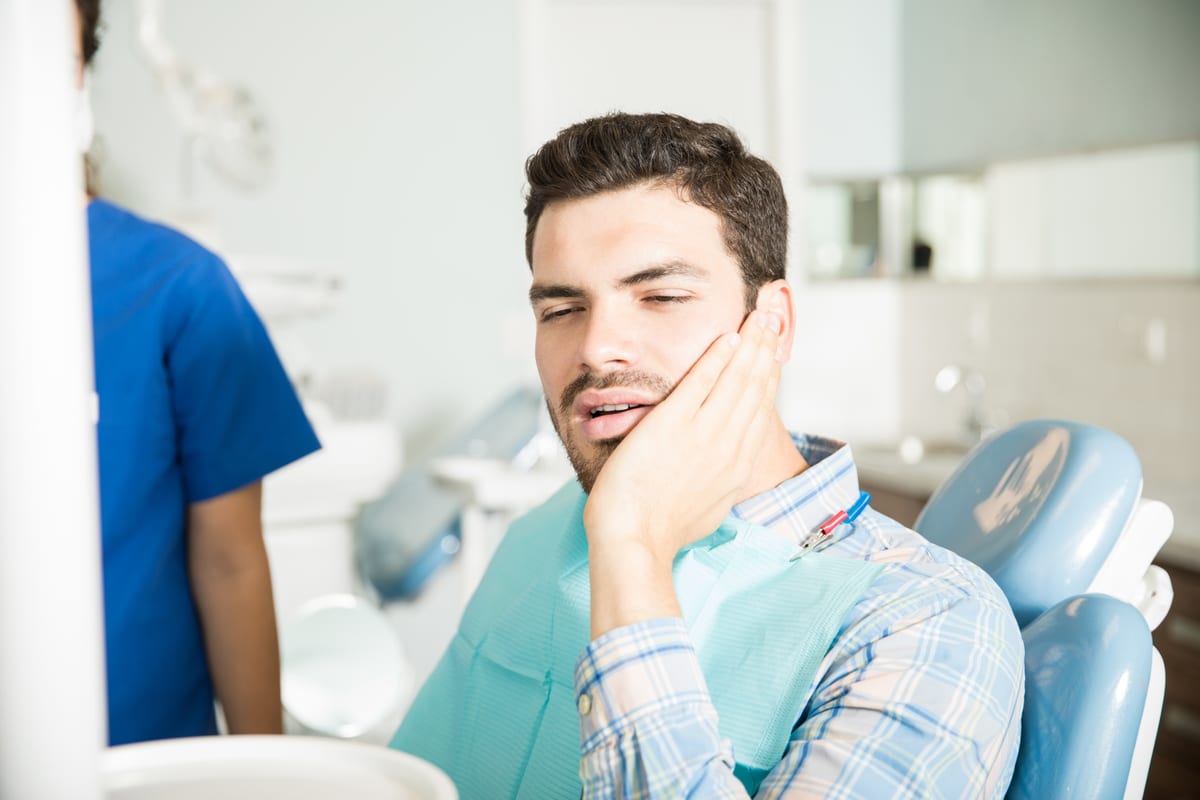
A sudden toothache can feel overwhelming. You might wonder whether you need emergency care or can wait until morning. This quick triage guide helps Fort Worth patients answer exactly that question. Whether you’re dealing with swelling, sharp pain, or a loose tooth, knowing what to do first can save your smile — and possibly your tooth.
At Centreport Smiles, Dr. Harika Lala sees patients across Fort Worth who arrive unsure whether their situation truly requires an extraction. The truth is, not every dental emergency ends with a pulled tooth. Understanding the difference between urgent and non-urgent situations helps you make calmer, smarter decisions under pressure.
How to Tell If Your Tooth Situation Is a True Emergency in Fort Worth
Not every dental problem requires a same-day visit. However, some symptoms signal that waiting even a few hours could make things worse. Knowing the difference protects your health and reduces unnecessary panic.
Ask yourself these questions right away:
- Is there visible swelling in your jaw, cheek, or neck?
- Do you have throbbing pain that does not respond to over-the-counter medication?
- Is there uncontrolled bleeding in or around your mouth?
- Did you suffer a facial injury or knock a tooth loose?
- Do you have a fever alongside your tooth pain?
If you answered yes to any of these, you need Emergency Dentistry Fort Worth care right away. These are red-flag symptoms that require professional evaluation without delay. Ignoring them risks spreading infection or permanent tooth loss.
Swelling and Infection: When the Stakes Are High
Swelling around a tooth is one of the most serious warning signs. It often points to an abscess, which is a pocket of bacteria-filled fluid. Left untreated, an abscess can spread to your jaw, throat, or even your bloodstream.
Do not try to pop or drain a dental abscess at home. This approach can introduce more bacteria and worsen the infection. Instead, rinse gently with warm saltwater and get to a dental office as fast as possible.
Dr. Harika Lala will assess whether the tooth can be saved with a root canal or whether extraction is the safer option. Most patients are surprised to learn that extraction is often a last resort, not a first step. The priority is always to preserve your natural tooth whenever it is clinically possible.
Facial swelling that affects your airway, causes difficulty swallowing, or extends into your neck is a medical emergency. In that case, call 911 or go directly to an emergency room. Do not wait for a dental appointment in those extreme situations.
Pain, Bleeding, and Loose Teeth: Your Step-by-Step Triage Checklist
Different symptoms call for different responses. Use this checklist to assess your situation clearly and calmly before deciding on next steps.
- Severe, throbbing pain: Apply a cold pack to your cheek. Take ibuprofen if safe for you. Call your dentist the same day — this level of pain rarely resolves on its own.
- Uncontrolled bleeding: Bite firmly on a clean gauze pad for 15–20 minutes. If bleeding does not slow down, seek emergency dental or medical care immediately.
- Knocked-out tooth: Pick it up by the crown, not the root. Rinse it gently and place it back in the socket if possible. If not, store it in milk and call us right away — time is critical here.
- Loose permanent tooth: Avoid wiggling it. Eat soft foods only. Contact your dentist that day, as splinting may save the tooth.
- Cracked or chipped tooth: Rinse your mouth with warm water. Save any broken pieces. Schedule an appointment within 24–48 hours for evaluation.
Each of these situations has a different urgency level. However, none of them should be ignored for more than a day or two. Dental problems rarely heal on their own without professional intervention.
Does a Dental Emergency Always Lead to Extraction?
This is one of the most common fears patients bring into the office. The short answer is no — a dental emergency does not automatically mean losing your tooth. Many urgent situations respond well to other treatments.
Root canal treatment, for example, can save a severely infected tooth in many cases. Dental crowns restore cracked or fractured teeth back to full function. Even a badly chipped tooth can often be repaired without removal, sometimes through Cosmetic Dentistry Fort Worth solutions like bonding or veneers.
Extraction becomes necessary when a tooth is too damaged to restore. It is also recommended when infection poses an immediate risk to surrounding teeth or bone. Dr. Harika Lala always discusses every available option before recommending removal.
Preserving your natural tooth is always the preferred outcome. Modern dentistry offers more tooth-saving options than ever before. Patients who act quickly give their teeth the best possible chance of survival.
What to Do While You Wait for Your Appointment
Getting prompt care is the top priority. But while you wait, a few simple steps can reduce pain and prevent further damage.
- Rinse with warm saltwater to reduce bacteria and soothe inflamed tissue
- Apply a cold compress to your cheek for 10 minutes on and 10 minutes off
- Avoid chewing on the affected side of your mouth
- Do not apply aspirin directly to your gum — it can cause chemical burns
- Skip hot foods, alcohol, and anything extremely cold until you are seen
Over-the-counter dental cement (available at most pharmacies) can temporarily seal a cracked or broken tooth. This is not a permanent fix, but it protects the exposed area until your appointment. Always follow up with your dentist as soon as possible after any temporary solution.
Why Fort Worth Patients Trust Centreport Smiles for Dental Emergencies
Dental emergencies are stressful. Having a trusted local provider makes the experience far less frightening. Centreport Smiles offers compassionate, same-day evaluations for patients across Fort Worth who need urgent dental care.
Dr. Harika Lala combines clinical expertise with a calm, patient-first approach. She explains every step of the process so patients feel informed, not rushed. Whether the solution is a root canal, crown, or extraction, you will understand exactly what is happening and why.
The Centreport Smiles team also focuses on preventing future emergencies through education and regular preventive care. Understanding your oral health reduces the likelihood of unexpected painful situations. Your long-term comfort and confidence are always the goal.
Do not wait and hope the pain goes away on its own. Early action almost always leads to better outcomes. Book Now to schedule your appointment with our team.
Frequently Asked Questions
How do I know if my toothache needs an emergency visit?
If your pain is severe, throbbing, or unresponsive to pain medication, seek care the same day. Swelling, fever, or bleeding alongside tooth pain are additional signs that you should not wait. When in doubt, call your dentist and describe your symptoms — they can help you decide.
Can an infected tooth heal without being extracted?
In many cases, yes. Antibiotics and root canal treatment can eliminate an infection and save the tooth. Extraction is typically recommended only when the tooth is too damaged to restore or the infection is spreading dangerously. Dr. Harika Lala always explores every option before recommending removal.
What should I do if I knock out a permanent tooth?
Pick up the tooth by the crown, not the root. Rinse it gently without scrubbing, and try to reinsert it into the socket. If that is not possible, store it in milk or saliva and get to a dentist within 30–60 minutes. Speed dramatically increases the chance of saving the tooth.
Is a cracked tooth always a dental emergency?
Not always — it depends on the severity. A small chip may be able to wait a day or two. However, a crack that causes sharp pain when biting or extends below the gumline needs urgent attention. A cracked tooth left untreated can worsen and may eventually require extraction.
How quickly should I see a dentist after a dental emergency?
For severe pain, swelling, uncontrolled bleeding, or a knocked-out tooth, you should seek care within hours. For less severe issues like a minor chip or a loose crown, schedule an appointment within 24–48 hours. The sooner you act, the more treatment options remain available to you.