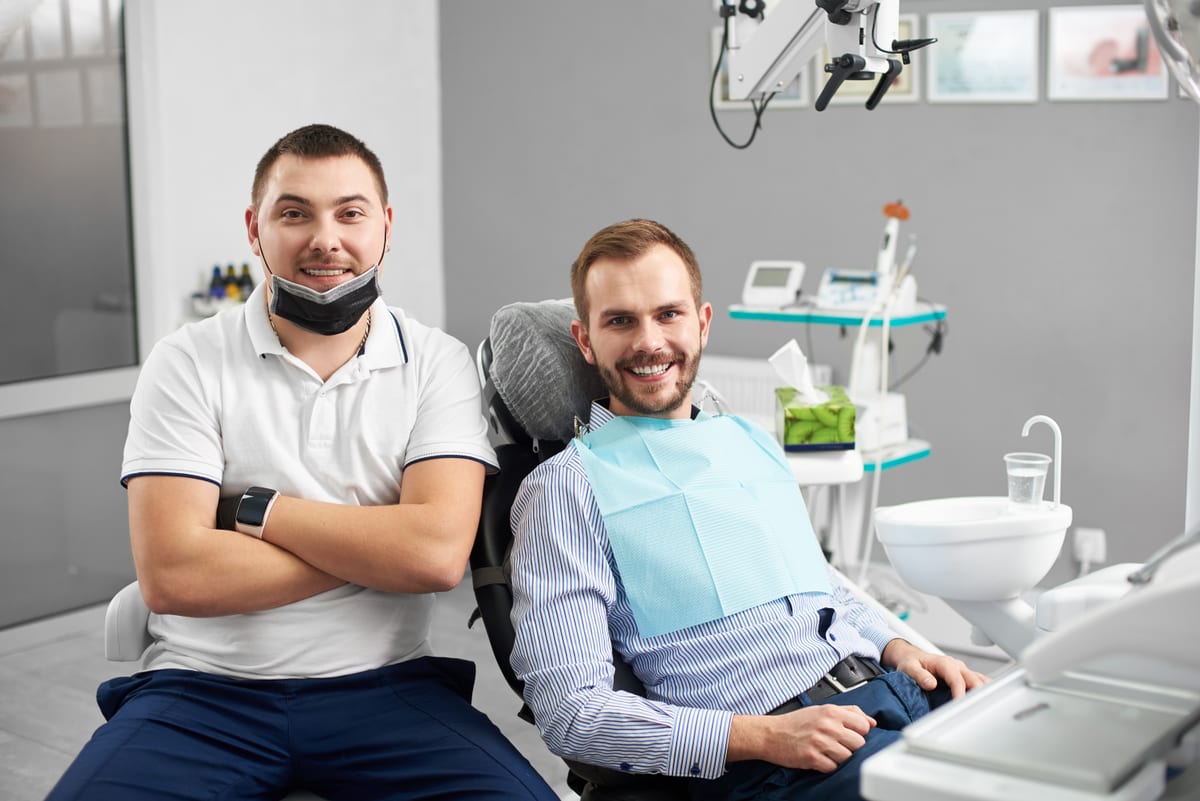
Root canal myths that keep patients unnecessarily anxious in Fort Worth are more common than you might think. Many people delay or avoid this treatment entirely because of stories they have heard from friends, family, or the internet. The truth is that these myths cause far more harm than the procedure itself. At Centreport Smiles, Dr. Harika Lala wants every Fort Worth patient to feel informed and empowered before sitting in the chair.
Why Root Canal Myths Persist — And Why They Matter
Fear of the dentist is real, and root canals carry more stigma than almost any other procedure. Much of that fear comes from outdated experiences or exaggerated stories passed down through generations. Modern dentistry has changed dramatically in the last few decades. What patients feared in the 1970s barely resembles what happens in a dental office today.
These myths matter because they have real consequences. Patients who avoid root canals often let infections worsen. An untreated infected tooth can lead to abscess, bone loss, and even tooth extraction. Understanding the truth helps Fort Worth residents make decisions based on facts, not fear.
Myth vs. Reality: The Most Common Root Canal Myths in Fort Worth
Let us break down the most persistent myths one by one. Each one deserves a direct, honest answer so you can walk into your appointment with confidence.
Myth 1: Root canals are the most painful dental procedure.
This is the biggest myth of all. Root canals do not cause pain — they relieve it. The infection inside your tooth is what causes severe discomfort. The procedure itself is performed under local anesthesia, so most patients feel little to nothing during treatment. Many describe it as no worse than getting a filling.
Myth 2: It is better to just pull the tooth.
Extraction might seem like the easier option. However, losing a natural tooth creates its own set of problems. Missing teeth can shift surrounding teeth and affect your bite. Preserving your natural tooth through root canal treatment is almost always the better long-term choice.
Myth 3: Root canals cause illness.
This claim has been circulating online for decades. It stems from flawed, century-old research that has been thoroughly debunked. Modern science has found no credible link between root canal treatment and systemic illness. The procedure is safe, effective, and widely performed every day.
Myth 4: You only need a root canal if your tooth hurts.
Not always. Some infected teeth cause no pain at all, especially if the nerve has died. Your dentist can identify infection through X-rays and clinical examination. Waiting for pain before seeking treatment can allow serious damage to progress silently.
- Root canals relieve pain rather than cause it
- Modern anesthesia makes the procedure comfortable for most patients
- Saving your natural tooth is better than extraction when possible
- No scientific evidence links root canals to systemic disease
- Painless teeth can still have infections that need treatment
What a Root Canal Actually Involves — Step by Step
Understanding the process can significantly reduce anxiety. When you know what to expect, the unknown becomes much less frightening. Here is a simple breakdown of what happens during a root canal at Centreport Smiles.
- Examination and X-rays: Dr. Lala examines the tooth and reviews imaging to assess the infection.
- Local anesthesia: The area is fully numbed before any work begins. You should feel no pain during the procedure.
- Removing infected tissue: The pulp inside the tooth is carefully removed. This is the source of your pain and infection.
- Cleaning and shaping: The root canals are cleaned, shaped, and disinfected thoroughly.
- Sealing the tooth: The canals are filled with a biocompatible material to prevent reinfection.
- Crown placement: Most teeth need a dental crown afterward to restore strength and function.
The entire process usually takes one to two appointments. Recovery is typically mild and manageable with over-the-counter pain relief. Most patients return to normal activities the very next day.
How Anxiety Affects Your Dental Health — And What You Can Do
Dental anxiety is not just an emotional issue. It has real, measurable effects on your oral health. Patients who avoid care because of fear tend to experience more decay, more infections, and more complex treatments over time. The very thing they fear becomes more likely because they stayed away.
If you feel anxious about dental procedures, you are not alone. Dr. Harika Lala and the Centreport Smiles team work with anxious patients every day. The practice takes a gentle, patient-centered approach to every appointment. Your comfort is always a priority, not an afterthought.
Fort Worth patients dealing with sudden dental pain or swelling may also need Emergency Dentistry Fort Worth services, especially if an infection has progressed quickly. Do not wait when symptoms are severe — prompt care can save your tooth and prevent the infection from spreading.
After your root canal heals, many patients also ask about restoring their smile. Treatments like Cosmetic Dentistry Fort Worth options including veneers or whitening can complement the dental crown placed after your root canal. Feeling proud of your smile can also motivate better long-term dental habits.
Signs You May Need a Root Canal in Fort Worth
Not sure if you need this procedure? Here are some common signs that you should schedule an evaluation with Dr. Lala as soon as possible.
- Severe, persistent toothache that does not go away
- Sensitivity to heat or cold that lingers after the source is removed
- Darkening or discoloration of a tooth
- Swelling or tenderness in the nearby gums
- A pimple-like bump on the gums near a tooth
- Pain when chewing or applying pressure to a tooth
These symptoms do not always mean you need a root canal. However, they do mean you need a professional evaluation promptly. Early diagnosis almost always leads to simpler, less invasive treatment.
Conclusion: The Truth About Root Canals in Fort Worth
Root canal myths that keep patients unnecessarily anxious in Fort Worth are widespread — but they do not have to control your decisions. Modern root canal treatment is safe, effective, and far more comfortable than most people expect. Delaying care based on fear can turn a manageable problem into a serious one.
Dr. Harika Lala at Centreport Smiles is committed to patient education and compassionate care. If you have concerns about a tooth or want to understand your treatment options, reach out today. Book Now to schedule your appointment with our team.
Frequently Asked Questions
Is a root canal really as painful as people say?
No. This is one of the most persistent root canal myths. The procedure is performed under local anesthesia, and most patients report feeling little to no pain during treatment. The infection itself is usually the source of pain, and the root canal relieves it.
How long does a root canal take at Centreport Smiles?
Most root canal procedures take between 60 and 90 minutes per appointment. Some cases may require a second visit to complete. Dr. Harika Lala will give you a clear timeline based on your specific situation during your evaluation.
What happens if I avoid getting a root canal?
Avoiding treatment allows the infection to spread and worsen. This can lead to abscess formation, bone loss around the tooth, and eventually tooth loss. In some cases, the infection can spread to surrounding teeth or other areas of the mouth.
Will I need a crown after a root canal?
In most cases, yes. After a root canal, the tooth becomes more brittle and vulnerable to fracture. A dental crown protects and strengthens the tooth so it can function normally for many years to come.
Can I drive myself home after a root canal?
Yes, in most cases. Root canal treatment uses local anesthesia only, which does not affect your ability to drive. You will be numb for a few hours after the procedure, but you should be fully capable of driving yourself home safely.