Veneers can transform your smile—but here’s what they can’t fix in Fort Worth, and that distinction matters. Many patients walk into Centreport Smiles excited about veneers. They’ve seen stunning before-and-after photos. They want that same result. But understanding what veneers actually do—and where they fall short—helps you make a smarter choice for your smile.
Dr. Harika Lala and our team in Fort Worth, TX, believe informed patients get the best outcomes. This guide breaks down veneers honestly, clearly, and without the fluff.
What Are Dental Veneers, Exactly?
Dental veneers are thin shells bonded to the front surface of your teeth. They’re typically made from porcelain or composite resin. Porcelain veneers are more durable and mimic natural tooth enamel beautifully. Composite veneers cost less but may not last as long.
The process usually involves removing a small amount of enamel from the tooth surface. This creates space for the veneer to sit flush with your natural teeth. Once bonded, veneers are permanent—your tooth will always need a covering after that point.
Veneers are a cornerstone of Cosmetic Dentistry Fort Worth patients trust. They’re designed purely to improve appearance, not to restore tooth function or treat disease.
What Veneers Can Fix — A Realistic Look
Veneers address a wide range of cosmetic concerns. They work best on teeth that are structurally healthy but visually imperfect. Here’s what veneers commonly correct:
- Discoloration: Teeth stained by coffee, wine, or medication that don’t respond to whitening
- Chips and minor cracks: Small surface damage that affects your smile’s appearance
- Gaps between teeth: Mild spacing issues that don’t require orthodontic treatment
- Uneven or irregular shapes: Teeth that look too small, too pointed, or mismatched
- Slightly misaligned teeth: Minor crookedness without bite or jaw issues
- Worn enamel: Teeth that look dull or shortened due to mild wear
Each of these problems has a cosmetic solution through veneers. The results can be dramatic, natural-looking, and long-lasting when placed correctly.
Fort Worth patients often choose veneers when they want a comprehensive smile upgrade. Addressing multiple flaws at once in a single treatment plan is one of veneers’ biggest advantages.
What Veneers Cannot Fix in Fort Worth
This is the part most marketing materials skip. Veneers are powerful cosmetic tools—but they have real limitations. Knowing these limits protects your health and your investment.
Veneers cannot fix these conditions:
- Active tooth decay: Decay must be treated before any cosmetic work begins
- Gum disease: Unhealthy gums make veneers unpredictable and potentially harmful
- Severely misaligned teeth or bad bites: Orthodontic treatment is necessary first
- Significant tooth damage: A tooth that’s mostly broken may need a crown instead
- Teeth grinding (bruxism): Grinding can crack or dislodge veneers over time
- Missing teeth: Veneers only work on existing tooth surfaces
Placing veneers over active decay or gum disease is like painting over a cracked wall. It hides the problem temporarily but makes it worse underneath. Dr. Lala always performs a thorough dental health assessment before recommending veneers.
If you have a dental emergency or suspect underlying damage, that must come first. Our Emergency Dentistry Fort Worth service is available when unexpected dental issues arise and need prompt attention.
How to Know If You’re a Good Candidate for Veneers
The best veneer candidates share a few key traits. First, they have healthy teeth and gums. Second, they have enough natural enamel remaining for the bonding process. Third, their concerns are primarily cosmetic rather than structural or functional.
During your consultation at Centreport Smiles, Dr. Harika Lala will evaluate your full oral health. She’ll take X-rays, examine your gums, and assess your bite. This isn’t just a formality—it’s essential for predicting how well veneers will perform for you.
Patients who grind their teeth at night may still qualify for veneers. However, they’ll likely need a custom nightguard to protect the investment. Dr. Lala will discuss this with you openly during your visit.
Age and lifestyle also factor into the decision. Veneers require some maintenance and occasional replacement. Understanding the long-term commitment helps you decide if veneers are right for your life right now.
Veneers vs. Other Cosmetic Options in Fort Worth
Veneers aren’t the only path to a better smile. Sometimes a different treatment is more appropriate—or more cost-effective. Knowing your options helps you choose wisely.
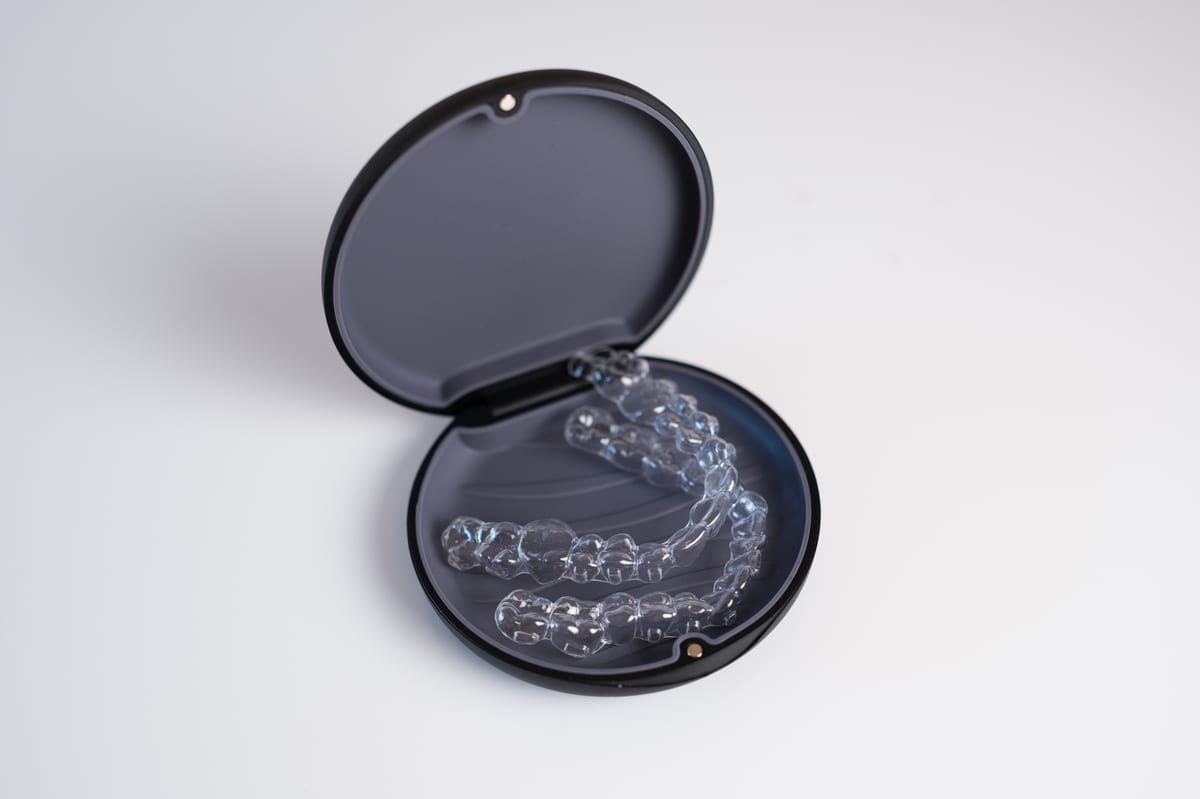
Teeth whitening works well for discoloration when teeth are otherwise healthy. Invisalign addresses alignment issues more effectively than veneers for moderate to significant crowding. Dental bonding can repair minor chips at a lower cost without enamel removal. Crowns are better suited when a tooth is structurally compromised.
Dr. Lala takes a whole-mouth approach. She won’t recommend veneers simply because they’re popular. She’ll recommend the treatment that actually solves your specific problem and fits your long-term oral health goals.
What to Expect During Your Veneer Process at Centreport Smiles
Getting veneers typically takes two to three appointments. Here’s a simple breakdown of the process:
- Consultation: Dr. Lala evaluates your oral health and discusses your smile goals
- Preparation: A small layer of enamel is removed and impressions are taken
- Temporary veneers: You wear temporaries while your custom veneers are crafted
- Bonding appointment: Permanent veneers are placed, adjusted, and bonded securely
- Follow-up: A check-in appointment confirms everything fits and feels right
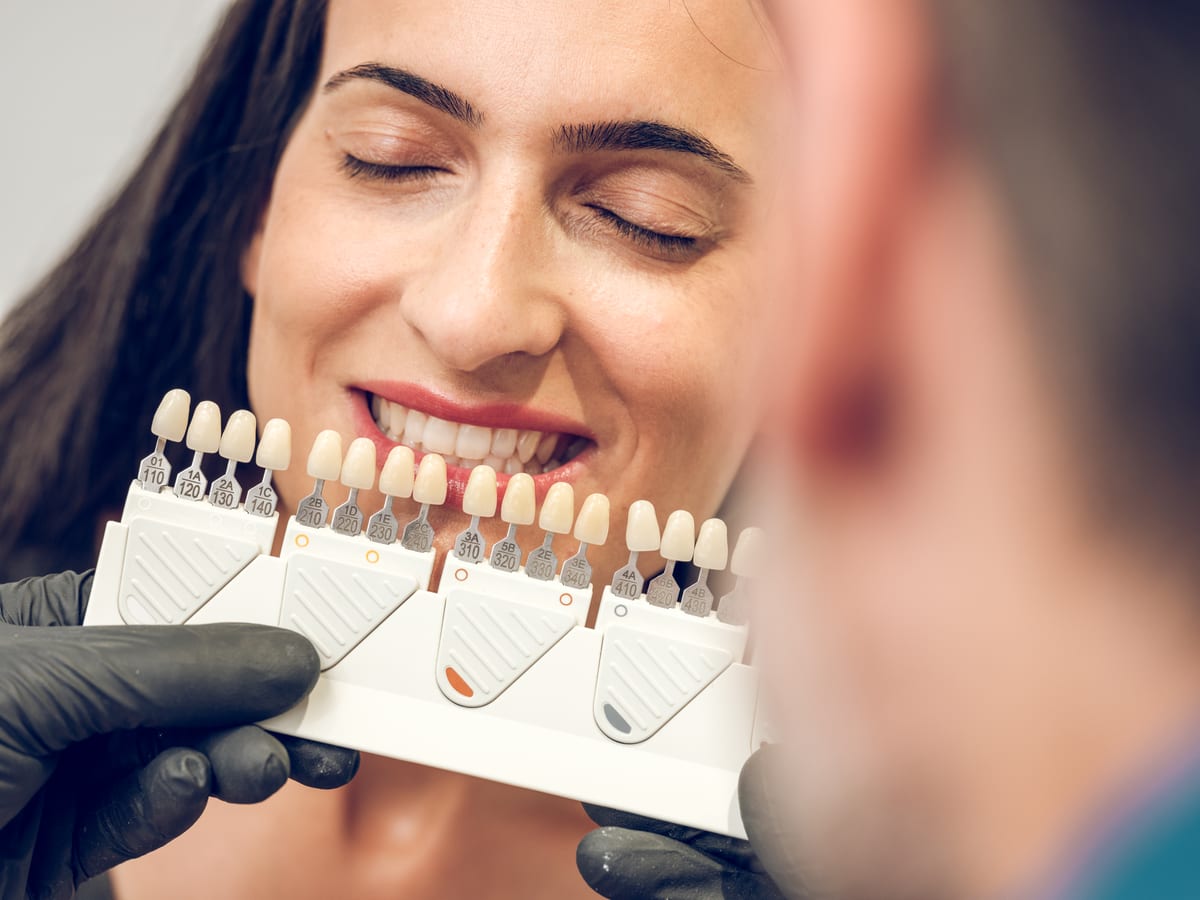
Most patients find the process straightforward and comfortable. Local anesthesia keeps you comfortable during the enamel preparation step. Dr. Lala takes time to ensure the color, shape, and fit match your natural look.
After placement, you’ll receive specific care instructions. Avoiding very hard or sticky foods in the first few weeks helps veneers bond properly. Good oral hygiene extends their lifespan significantly.
Making the Right Smile Decision in Fort Worth
Veneers are a genuine smile transformation tool—when used in the right situation. They cover imperfections beautifully and deliver lasting results. But they work best when your oral health is already solid and your concerns are truly cosmetic in nature.
At Centreport Smiles, Dr. Harika Lala guides Fort Worth patients through this decision with honesty and care. Whether veneers are perfect for you or another treatment makes more sense, you’ll leave your consultation with clarity. Book Now to schedule your appointment with our team.
Frequently Asked Questions
How long do dental veneers typically last?
Porcelain veneers generally last 10 to 15 years with proper care. Composite veneers may last 5 to 7 years. Good oral hygiene, regular cleanings, and avoiding hard foods help extend their lifespan significantly.
Do veneers look natural on your teeth?
Yes. Porcelain veneers are designed to reflect light similarly to natural enamel. Dr. Lala carefully matches the shade and shape to your surrounding teeth. Most people cannot tell the difference between veneers and natural teeth.
Is the veneer process painful?
Most patients experience minimal discomfort. Local anesthesia is used during the enamel preparation step. Some sensitivity may occur in the days after placement, but this typically resolves quickly on its own.
Can veneers stain over time?
Porcelain veneers resist staining much better than natural enamel. However, composite veneers can stain over time with coffee, tea, or wine. Limiting these beverages and maintaining regular cleanings helps keep veneers looking bright.
What happens if a veneer chips or falls off?
Contact Centreport Smiles as soon as possible if a veneer chips or detaches. Do not try to reattach it yourself. Dr. Lala can assess the veneer and your underlying tooth, then determine the best repair or replacement option.