No one plans for a tooth to need surgical removal. But sometimes, it’s the healthiest choice for your smile and your overall well-being. If you’ve been told you might need a surgical tooth extraction, you’re not alone—and you’re not doing anything wrong.
For many Fort Worth residents, busy schedules, old dental work, sports injuries, or delayed care can quietly turn a manageable issue into something that requires a more advanced approach. Understanding why surgical tooth removal becomes necessary can help reduce anxiety and empower you to take the next step with confidence.
This guide explains when surgical extraction is recommended, what causes it, and what you can expect—using clear language, real-life scenarios, and local insight.
What Is Surgical Tooth Removal?
Unlike a simple extraction, surgical tooth removal is used when a tooth cannot be easily accessed or removed in one piece. This may involve making a small incision in the gum or removing bone around the tooth.
It’s a common and safe procedure when performed by an experienced dental team, especially when delaying treatment could lead to pain, infection, or damage to nearby teeth.
After the first 100 words naturally included:
Many patients looking for Tooth Extractions Fort Worth are surprised to learn that surgical removal is often the best way to prevent bigger dental problems down the road.
Common Reasons Surgical Tooth Removal Is Needed
1. Impacted or Partially Erupted Teeth
Teeth that don’t fully emerge—most commonly wisdom teeth—can become trapped beneath the gums or bone.
This can cause:
-
Persistent jaw pain
-
Swelling or infection
-
Damage to neightboring teeth
-
Difficulty cleaning the area
Surgical removal allows the tooth to be taken out safely without harming surrounding structures.
2. Severely Damaged or Broken Teeth
Accidents happen. From youth sports leagues to weekend projects around the house, Fort Worth residents are no strangers to dental trauma.
When a tooth:
-
Breaks below the gum line
-
Fractures into multiple pieces
-
Cannot support a crown
A surgical approach may be required to remove the remaining structure cleanly and comfortably.
3. Advanced Tooth Decay or Infection
When decay reaches deep into the tooth and spreads to the root or jawbone, saving it may no longer be possible.
Signs this may be happening include:
-
Throbbing or constant pain
-
Swelling in the face or gums
-
Sensitivity that lingers
-
A bad taste that won’t go away
Removing the tooth surgically helps stop the infection and protect your overall oral health.
4. Gum Disease Affecting Bone Support
Advanced periodontal disease can weaken the bone that holds teeth in place. In these cases, teeth may loosen, shift, or become painful.
Surgical removal may be necessary when:
-
The tooth is no longer stable
-
Infection threatens nearby teeth
-
Bone loss makes simple extraction unsafe
5. Preparation for Orthodontic or Restorative Care
Sometimes, surgical tooth removal is part of a bigger treatment plan.
It may be recommended to:
-
Create space for braces or aligners
-
Prepare for dental implants
-
Improve bite alignment
-
Support long-term oral stability
This is common for teens, young adults, and even adults seeking smile improvements.
What to Expect During the Procedure
Surgical tooth removal sounds intimidating, but modern dentistry focuses on comfort and precision.
Here’s what typically happens:
-
Local anesthesia is used to numb the area
-
Sedation options may be available for anxiety
-
The dentist gently accesses and removes the tooth
-
The site is cleaned and protected to support healing
Most procedures are completed in one visit, and patients go home the same day.
Recovery and Aftercare Tips
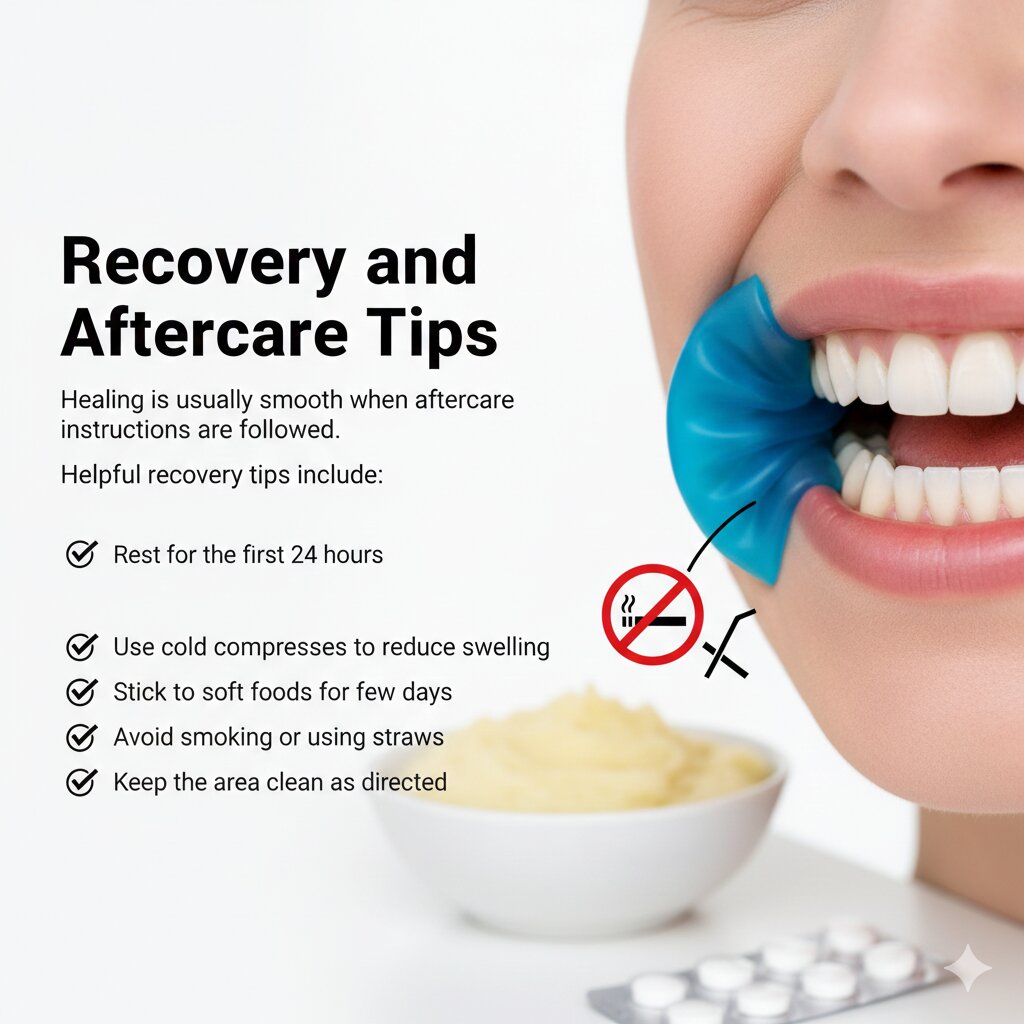
Healing is usually smooth when aftercare instructions are followed.
Helpful recovery tips include:
-
Rest for the first 24 hours
-
Use cold compresses to reduce swelling
-
Stick to soft foods for a few days
-
Avoid smoking or using straws
-
Keep the area clean as directed
Many Fort Worth patients are back to normal routines within a couple of days.
Why Acting Early Matters
Delaying treatment can lead to:
-
Increased pain
-
Spread of infection
-
More complex procedures
-
Longer recovery times
If you’re searching for Tooth Extractions Fort Worth because something doesn’t feel right, it’s often better to get checked sooner rather than later.
Local Insight: Why This Matters in Fort Worth
Fort Worth’s active lifestyle—from school sports to outdoor events and long commutes—means dental issues are often pushed aside until they demand attention.
Add in:
-
Seasonal allergies causing sinus pressure
-
Stress-related teeth grinding
-
Missed routine checkups
And minor problems can quickly become surgical ones. Having a trusted local dental team makes a real difference.
Common Questions Patients Ask
Is surgical tooth removal painful?
The procedure itself is not painful due to anesthesia. Mild discomfort afterward is normal and manageable with medication and care instructions.
How long does recovery take?
Most patients feel significantly better within 2–3 days, with full healing over the next few weeks.
Will I need stitches?
Sometimes. Many stitches dissolve on their own and don’t require removal.
Can I replace the tooth later?
Yes. Dental implants, bridges, or other restorations can be discussed once healing is complete.
When should I call the dentist after surgery?
If you notice increasing pain, swelling, fever, or unusual discharge, contact your dental office promptly.
Final Thoughts and Next Steps
Surgical tooth removal isn’t a setback—it’s often a step toward relief, healing, and a healthier smile. Understanding the reasons behind it helps you make informed decisions without fear or confusion.
If you’re experiencing pain, swelling, or have been advised that a tooth may need surgical removal, schedule an appoinment is the best next step. A personalized exam can confirm whether treatment is needed and explore your options moving forward.
At Centreport Smiles, our team is committed to providing gentle, clear, and trusted care for patients throughout Fort Worth. When surgical tooth removal is necessary, you’ll be guided with compassion, expertise, and a focus on your long-term oral health.