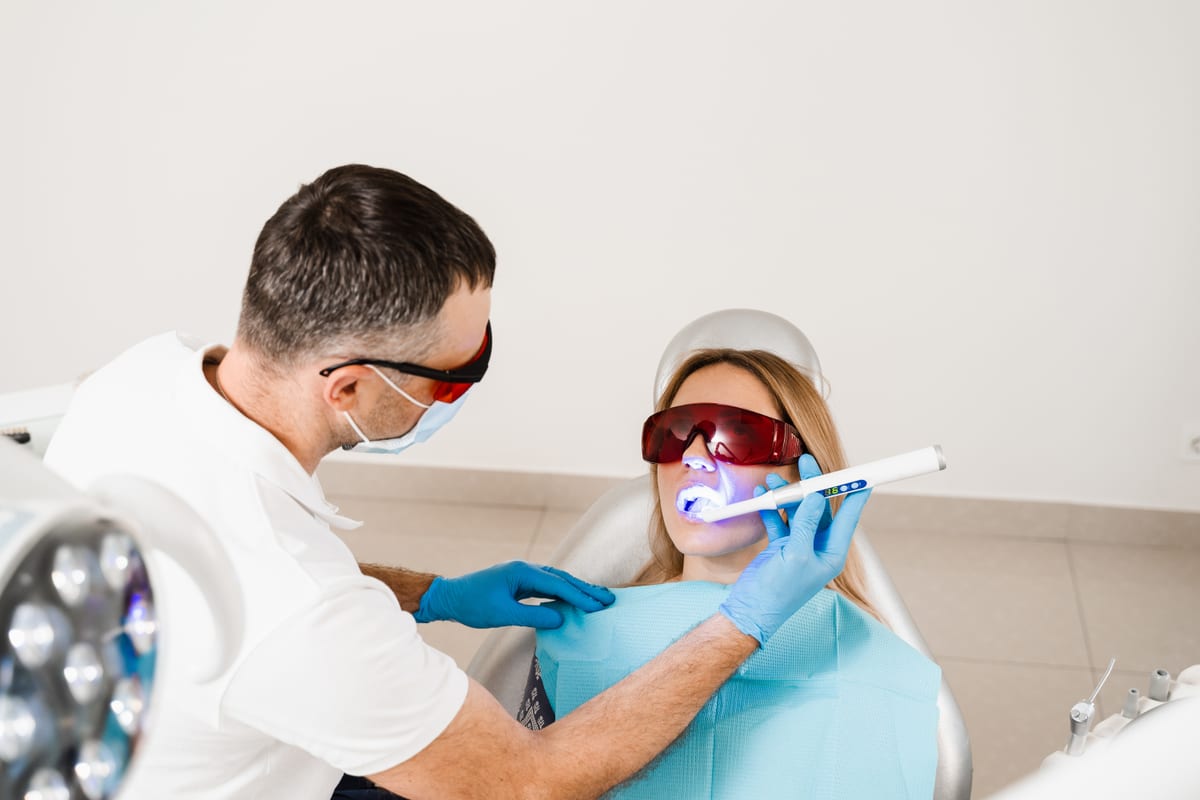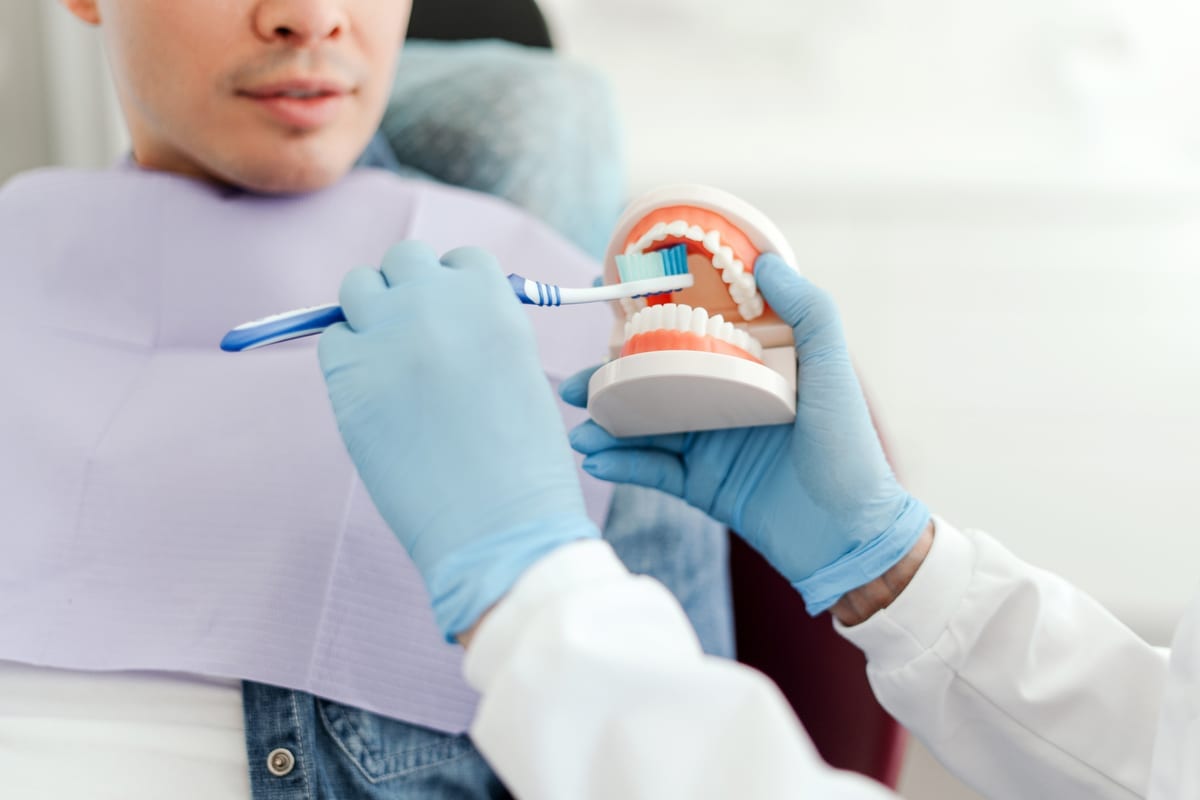
If your dentist recently told you that you need a deep cleaning instead of a routine visit, you may feel confused — or even a little worried. Many Fort Worth patients wonder why your dentist might recommend deep cleaning over regular cleaning when both sound similar. The short answer is that these two procedures treat very different conditions. Understanding the distinction helps you make informed decisions about your oral health.
At Centreport Smiles, Dr. Harika Lala takes time to explain every recommendation before any treatment begins. This article walks you through exactly what separates a routine cleaning from a deep cleaning, and why one may be the right choice for your smile.
What Happens During a Regular Teeth Cleaning?
A routine cleaning — also called a prophylaxis — is a preventive procedure. It removes plaque and tartar from the surfaces of your teeth and just slightly below the gumline. Most patients with healthy gums benefit from this type of cleaning every six months.
During a regular cleaning, your dental hygienist uses special instruments to polish your teeth. They also check for early signs of gum disease. The process is typically quick, comfortable, and completed in a single visit.
Regular teeth cleanings are ideal when your gum tissue is healthy and there is no significant bone loss. They help maintain good oral hygiene and prevent future problems from developing.
What Is Deep Cleaning and Why Is It Different in Fort Worth?
A deep cleaning is a clinical treatment called scaling and root planing. It goes well beyond what a routine cleaning achieves. This procedure targets the space below the gumline — an area a regular cleaning simply cannot reach effectively.
When gum disease progresses, bacteria build up in pockets between your teeth and gums. These pockets can measure 4mm or deeper on your dentist’s probe. A regular cleaning cannot address bacteria hiding that far below the surface.
Scaling removes hardened tartar deposits from the root surface. Root planing smooths the root so gum tissue can reattach properly. Together, these steps stop the spread of infection and help reverse early-to-moderate gum disease.
Patients across Fort Worth dealing with red, swollen, or bleeding gums may be experiencing periodontal disease. That is exactly the condition a deep cleaning is designed to treat.
Key Signs Your Dentist May Recommend Deep Cleaning Over Regular
Your dentist does not recommend a deep cleaning randomly. Specific clinical findings guide that decision. Dr. Lala performs a thorough periodontal assessment at each exam to determine which type of cleaning best fits your needs.
Here are the most common signs that a deep cleaning may be necessary:
- Gum pocket depths of 4mm or greater — measured precisely during your exam
- Bleeding gums that occur during brushing or flossing regularly
- Visible tartar buildup below the gumline on X-rays
- Gum recession — where gums are pulling away from the tooth root
- Bone loss detected on dental X-rays
- Persistent bad breath that does not improve with brushing
Experiencing one or more of these signs does not mean you have failed at oral hygiene. Gum disease is incredibly common and very treatable when caught early.
The Deep Cleaning Process: What to Expect at Centreport Smiles
Many patients feel nervous about a deep cleaning because it sounds intensive. In reality, Dr. Lala and the team at Centreport Smiles make the process as comfortable as possible. Local anesthesia is typically used so you feel little to no discomfort during treatment.
Here is what you can generally expect during the process:
- Periodontal assessment — Your gum pockets are measured and charted carefully.
- Local anesthesia — The treated area is numbed for your comfort.
- Scaling — Tartar and bacteria are removed from below the gumline.
- Root planing — Root surfaces are smoothed to discourage future buildup.
- Follow-up appointment — Your gums are re-evaluated after a healing period.
Treatment is often divided across two appointments. Each session addresses one side of the mouth. This approach allows your gums to begin healing while the second side is treated.
After your deep cleaning, you may experience mild sensitivity for a few days. Your dentist may also recommend a prescription mouth rinse to support healing. Most patients notice significant improvement in gum health within a few weeks.
How Deep Cleaning Connects to Your Overall Smile Health
Gum disease does not just affect your gums. Research links periodontal infection to broader health concerns, including heart disease and diabetes. Treating gum disease early protects far more than just your teeth.
Once your gums are healthy again, you can return to regular maintenance cleanings. Your dentist will monitor your pocket depths at every visit going forward. Catching any recurrence early means simpler treatment options remain available.
Healthy gums also form the foundation for many other dental treatments. Whether you are considering Cosmetic Dentistry Fort Worth options or planning for dental implants, your gum health must be stable first. Dr. Lala evaluates all of these factors together as part of your complete care plan.
If you ever experience sudden tooth pain or swelling that concerns you between visits, know that Emergency Dentistry Fort Worth services are available at Centreport Smiles. You do not have to wait and wonder when something feels wrong.
Frequently Asked Questions
Is a deep cleaning painful?
Most patients experience little discomfort during a deep cleaning because local anesthesia is used. Some mild sensitivity or soreness in the gums may occur for a few days after treatment. Over-the-counter pain relievers and a soft-food diet usually manage any post-procedure tenderness well.
How do I know if I need a deep cleaning or a regular cleaning?
Your dentist determines this through a periodontal exam that measures gum pocket depths. Pockets of 4mm or deeper, combined with signs like bleeding or bone loss, typically indicate a deep cleaning is needed. A routine cleaning is appropriate when gum tissue is healthy and pockets are shallow.
How long does a deep cleaning take?
A deep cleaning is usually divided into two appointments, each lasting about 60 to 90 minutes. One side of the mouth is treated per visit. Your total treatment time depends on the severity of buildup and the number of teeth involved.
Will I need deep cleanings forever after my first one?
Not necessarily. Once your gum health improves, many patients return to regular maintenance cleanings every three to six months. Your dentist will monitor your pocket depths at each visit to determine the best ongoing schedule for your specific needs.
Can gum disease come back after a deep cleaning?
Gum disease can return if oral hygiene is not maintained consistently at home. Regular brushing, flossing, and keeping your scheduled dental visits are essential after treatment. Dr. Lala will provide personalized guidance to help you protect your results long-term.
Understanding why your dentist might recommend deep cleaning over regular cleaning in Fort Worth empowers you to take charge of your oral health. Dr. Harika Lala and the team at Centreport Smiles are here to guide you through every step with clear explanations and compassionate care. Book Now to schedule your appointment with our team.