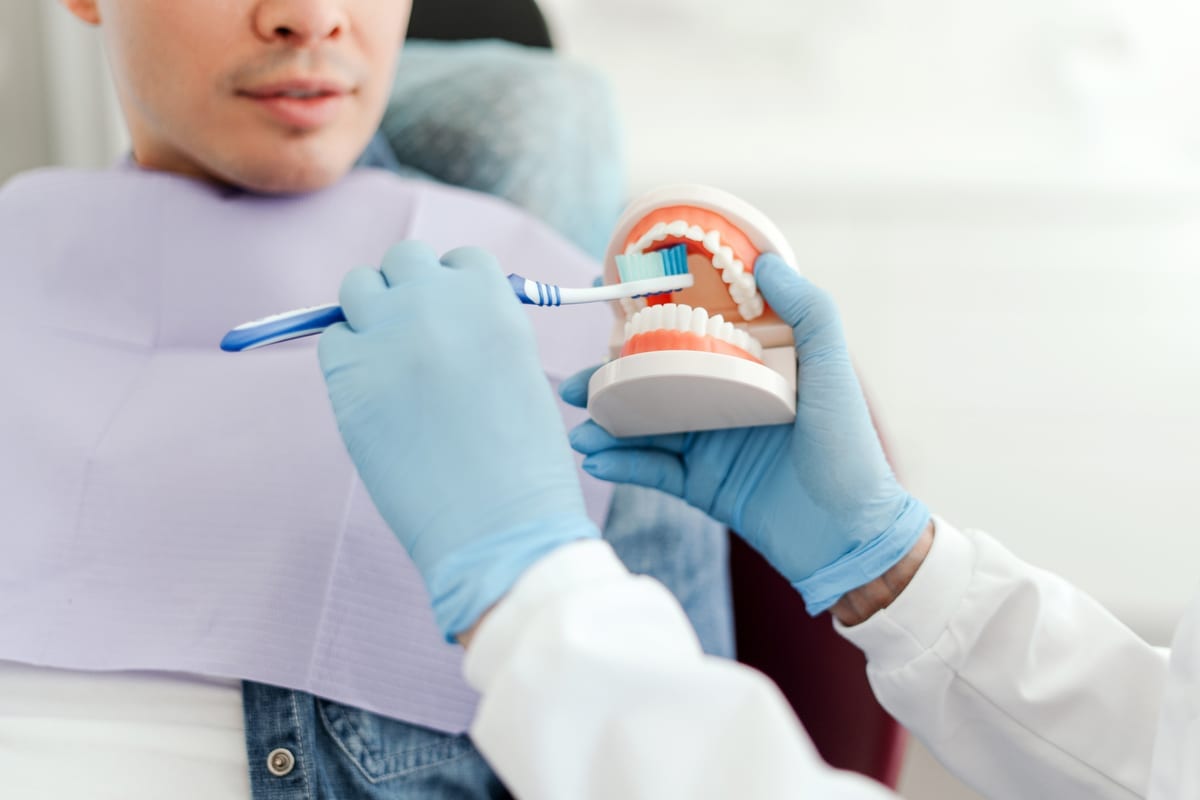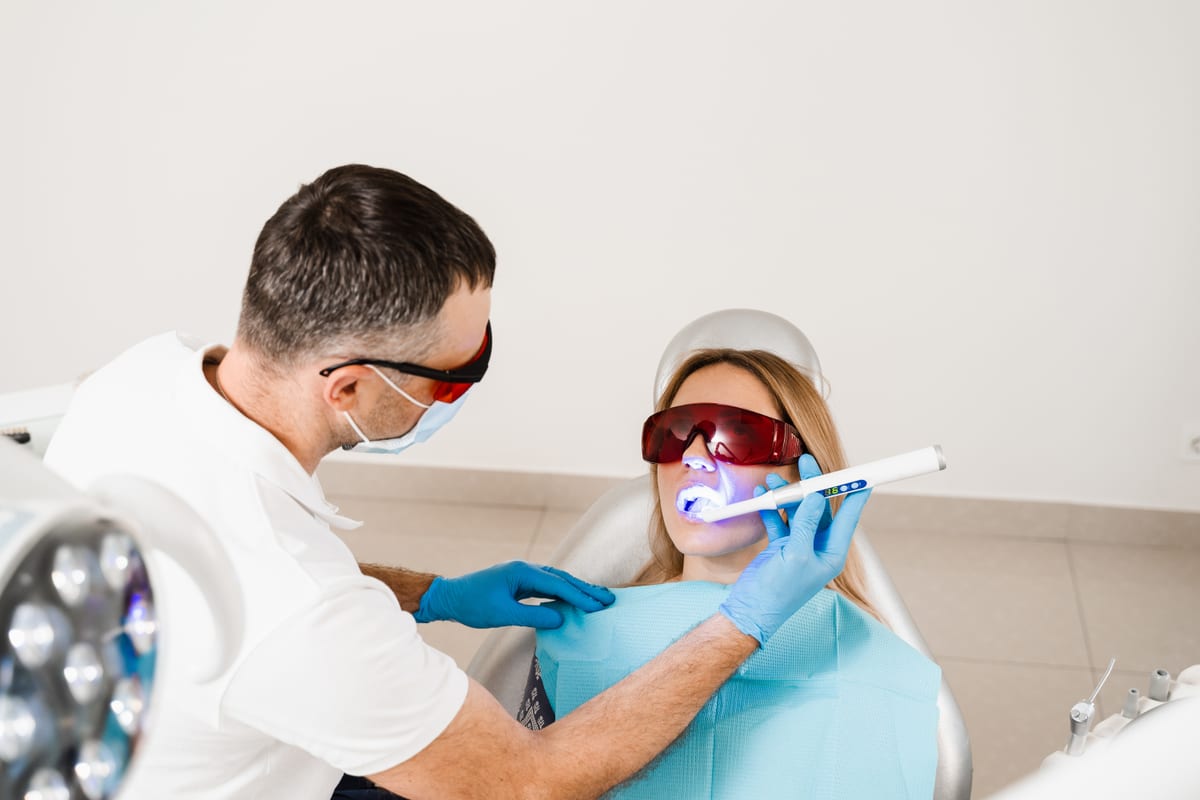
Many Fort Worth patients ask the same question before their first whitening visit: is professional teeth whitening safe for your enamel and gums? It is a smart question to ask. Whitening treatments use active bleaching agents, and it is natural to wonder whether they cause lasting harm. The short answer is yes — professional whitening is safe when performed or supervised by a qualified dentist. But understanding the details helps you make a confident, informed decision.
How Professional Teeth Whitening Works — and Why Safety Starts Here
Professional whitening uses hydrogen peroxide or carbamide peroxide to break apart stain molecules inside the tooth. The concentration used in a dental office is higher than anything sold over the counter. That higher concentration is what makes results faster and more dramatic. It also means proper technique matters more.
At Centreport Smiles, Dr. Harika Lala evaluates each patient before recommending whitening. This step is not just routine — it is essential for safety. Existing decay, cracked teeth, or gum disease must be treated first. Skipping that evaluation is where problems arise, not in the whitening itself.
Professional treatments also use custom-fitted trays or in-office barriers that protect your gums from bleaching gel. Over-the-counter strips offer no such precision. That gap in protection is a key reason in-office whitening carries a much lower risk of soft tissue irritation.
Is Professional Teeth Whitening Safe for Your Enamel and Gums in Fort Worth? What the Research Shows
Studies consistently show that professional whitening does not damage enamel when used as directed. Enamel is the hardest substance in the human body. Bleaching agents temporarily open the pores in enamel to lift stains, but enamel structure remains intact afterward. Remineralization occurs naturally within hours of treatment.
Gum sensitivity is a more common concern than enamel damage. Some patients notice redness or mild irritation if the gel contacts soft tissue. This is almost always temporary and resolves within one to two days. Professional application significantly reduces that risk compared to unsupervised at-home methods.
Tooth sensitivity is separate from enamel damage. It happens because whitening gel temporarily affects the nerve pathways inside the tooth. This sensitivity typically fades within 24 to 48 hours. Dr. Lala can recommend desensitizing treatments before or after whitening to minimize discomfort for patients who are prone to sensitivity.
Who Should Be Cautious About Teeth Whitening
Professional whitening is safe for most healthy adults. However, certain patients need to pause before proceeding. Knowing whether you fall into one of these groups protects your long-term oral health.
Patients who should discuss risks carefully with Dr. Lala before whitening:
- Those with active tooth decay or unfilled cavities
- Patients with gum disease or significant gum recession
- Individuals with extremely sensitive teeth or exposed dentin
- Pregnant or nursing women, as a precaution
- Patients with crowns, veneers, or composite bonding on front teeth — whitening does not change the color of restorations
- Children and teenagers whose tooth development is not yet complete
If any of these apply to you, whitening may still be possible. It may simply require treating the underlying condition first. Transparency with your dentist about your full dental history makes all the difference.
The Difference Between Professional and Over-the-Counter Whitening
Fort Worth residents have easy access to store-bought whitening strips, toothpastes, and trays. These products are not unsafe, but they come with important limitations. Lower peroxide concentrations mean slower, less predictable results. Generic tray sizes increase the chance of gel contacting gum tissue.
Professional whitening at Centreport Smiles offers several clear advantages over DIY options:
- Custom-fitted trays minimize gel contact with gums
- Higher-concentration gel produces faster, more even results
- Dr. Lala screens for conditions that could make whitening uncomfortable or ineffective
- Post-treatment support is available if sensitivity occurs
- Results are monitored and adjusted to your specific shade goals
When patients ask whether professional teeth whitening is safe for enamel and gums in Fort Worth, the answer becomes clearer with context. Professional care adds a layer of oversight that store-bought products simply cannot replicate.
How Teeth Whitening Fits Into Your Overall Dental Health Plan
Whitening works best as part of a broader commitment to your oral health. It is most effective on natural tooth surfaces that are clean and free of buildup. That is why a professional teeth cleaning before whitening often improves outcomes. It also gives your dentist a chance to spot any issues that need attention first.
Cosmetic treatments like whitening connect naturally to other services at our practice. Patients interested in a complete smile refresh may also explore Cosmetic Dentistry Fort Worth options, including veneers or bonding. These treatments can address concerns that whitening alone cannot fix, such as chips, gaps, or uneven tooth shape.
If you ever experience unexpected tooth pain or gum swelling after a whitening treatment, do not ignore it. While rare, such symptoms may indicate an underlying issue. In that situation, prompt care from Emergency Dentistry Fort Worth ensures any concern is addressed quickly and safely.
Maintaining results after whitening is straightforward. Limit staining foods and drinks like coffee, tea, and red wine. Brush and floss consistently. Schedule regular cleanings at Centreport Smiles to keep your smile bright and your gums healthy between whitening sessions.
What to Expect During a Professional Whitening Visit at Centreport Smiles
Your whitening appointment begins with a brief exam. Dr. Lala checks your teeth and gums to confirm you are a good candidate. If everything looks healthy, the treatment moves forward the same day in most cases. The process is straightforward and comfortable for the vast majority of patients.
During in-office whitening, a protective barrier shields your gums before the bleaching gel is applied. The gel typically remains on your teeth for short, timed intervals. Many patients notice a visible difference after a single session. Touch-up trays for home use can extend and maintain those results over time.
The entire visit usually takes about an hour. There is no recovery time needed — you can return to your normal activities immediately. Some patients choose to avoid dark-colored foods for the first 24 to 48 hours to protect their fresh results.
Frequently Asked Questions
Does professional teeth whitening permanently damage enamel?
No. Research consistently shows that professional whitening does not permanently damage enamel. The bleaching agents temporarily open enamel pores to remove stains, and enamel naturally remineralizes within hours. Using an ADA-accepted professional treatment supervised by a dentist keeps the process safe and controlled.
Why do my teeth feel sensitive after whitening?
Tooth sensitivity after whitening is common and temporary. Bleaching agents can briefly affect the nerve pathways inside teeth, causing a short-term sensitivity to cold or pressure. This usually resolves within 24 to 48 hours. Dr. Lala can recommend desensitizing gel or toothpaste to ease discomfort if needed.
Can whitening damage my gums?
Whitening gel can cause temporary gum irritation if it contacts soft tissue. Professional treatments use custom trays and protective barriers to minimize this risk significantly. Any redness or mild soreness typically resolves within a day or two. Patients with existing gum disease should treat that condition before pursuing whitening.
How long do professional whitening results last?
Results vary by patient and lifestyle habits, but most people enjoy noticeably whiter teeth for six months to two years. Avoiding staining foods and drinks, maintaining consistent oral hygiene, and attending regular cleanings all help extend results. Periodic touch-up treatments can refresh the brightness over time.
Is teeth whitening safe during pregnancy?
Dentists generally recommend avoiding elective whitening treatments during pregnancy as a precautionary measure. There is limited research on the effects of bleaching agents during pregnancy and nursing. It is always best to discuss your specific situation with Dr. Lala so she can guide you safely.
At Centreport Smiles, Dr. Harika Lala and the team are committed to honest, patient-centered care for every Fort Worth resident. If you are considering whitening and want to know whether it is right for your specific situation, we are here to help. Book Now to schedule your appointment with our team.